DESIGN SHAPES HOW WE EXPERIENCE THE WORLD.


Generative Cities: Shaping the Future of Urban Living
Sama Karim
9/26/20252 min read
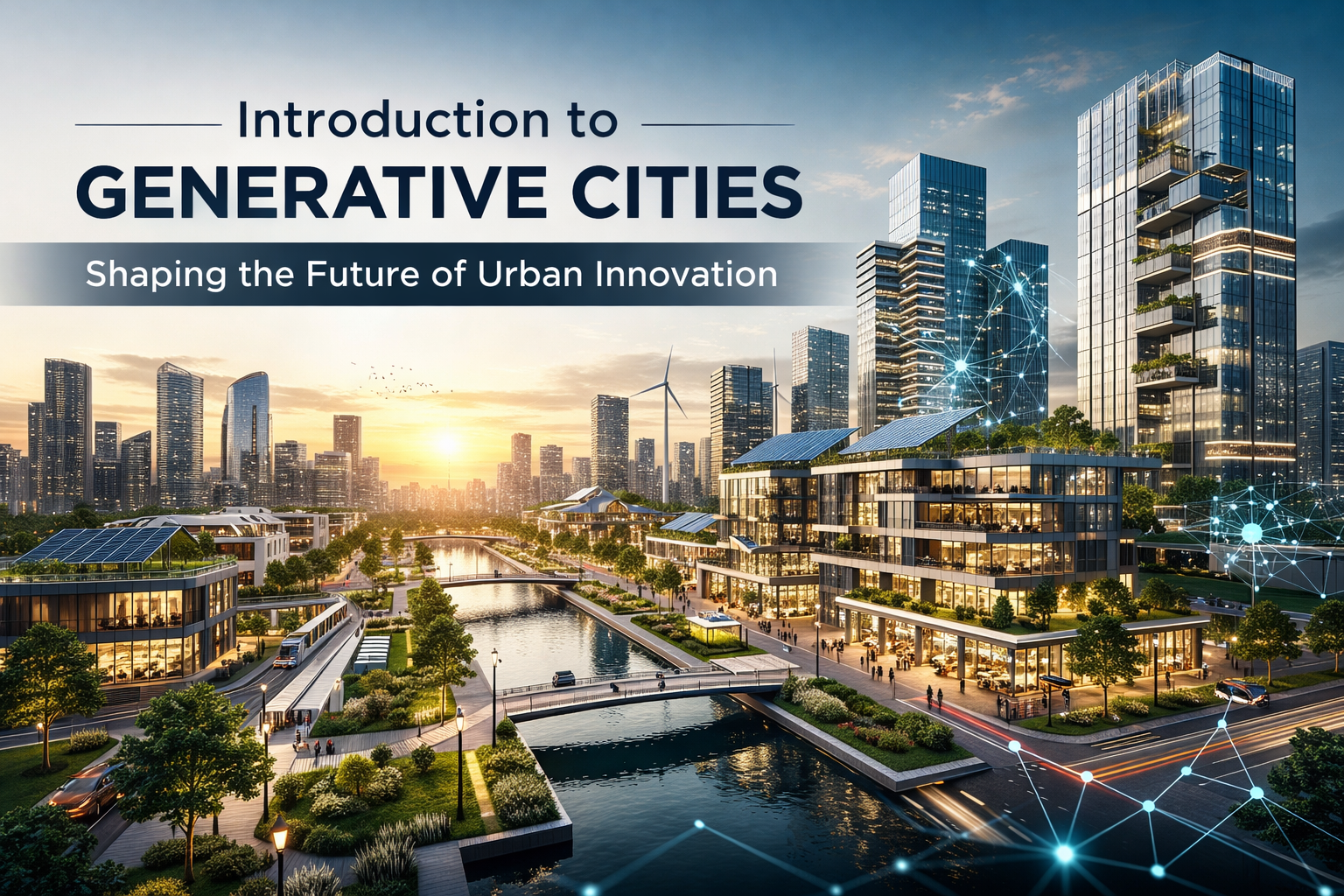
Introduction to Generative Cities
In recent years, the concept of generative cities has emerged as a transformative approach to urban planning and design. These innovative urban environments leverage technology, sustainability, and community-driven initiatives to create thriving ecosystems adaptable to future needs. As we delve deeper into the potential of generative cities, it is essential to understand the principles that underlie this forward-thinking approach.
The Role of Technology in Urban Development
At the heart of generative cities lies the integration of advanced technology. With the proliferation of the Internet of Things (IoT), artificial intelligence (AI), and data analytics, urban planners can now create smart infrastructures that optimize resource management. For instance, sensors can collect data on traffic flow, air quality, and energy consumption, allowing cities to make informed decisions that enhance the quality of life for their residents.
Moreover, generative cities incorporate design principles that prioritize flexibility and adaptability. This future-oriented vision allows urban environments to evolve alongside changing demographics and societal needs. By 2040, the cities of tomorrow will not only support a growing population but also adapt to environmental challenges through smart resource allocation and resilient architectural practices.
Human-Centric Design and Community Engagement
One of the defining characteristics of generative cities is a strong emphasis on human-centric design. Unlike traditional urban models that often prioritize vehicular traffic and commercial interests, generative cities focus on creating spaces that foster community engagement and social interaction. Public parks, communal gardens, and pedestrian-friendly walkways are crucial components of this approach.
Community input is paramount in the development of generative cities. By involving local residents in the planning process, urban designers can ensure that the needs and desires of the community are reflected in the final design. This engagement not only empowers citizens but also cultivates a sense of ownership and pride in their environment.
The Impact on Sustainability and Resilience
Generative cities are inherently aligned with sustainability goals. By prioritizing green space, renewable energy sources, and efficient land use, these urban environments aim to reduce their carbon footprint and mitigate climate change's adverse effects. Innovations such as vertical gardens, green roofs, and urban forestry initiatives contribute to fostering biodiversity and improving air quality.
Additionally, generative cities cultivate resilience by preparing for climate-related challenges. Policies that promote sustainable transportation options, such as cycling and public transit, decrease reliance on fossil fuels, making cities less vulnerable to fluctuating fuel prices and environmental disasters.
Conclusion
As we look towards the future, generative cities stand as a beacon of hope for urban living. By harnessing technology, prioritizing community involvement, and embracing sustainability, these cities promise to create more livable, equitable, and resilient environments. The journey towards realizing the full potential of generative cities is just beginning, but the impact of this innovative approach holds the key to a thriving urban future.


explores how AI is transforming design, planning, and construction.
From site analysis to smart buildings, it shows how algorithms enhance creativity and efficiency.
A must-read for students, professionals, and enthusiasts seeking the future of architectural design.
Machine Learning for Architecture by Eric Miller
Discover Patrik Schumacher — the mind behind Parametricism and Principal of Zaha Hadid Architects.
From theory to iconic buildings, he’s shaping 21st-century architecture.
Watch the video to learn more, and don’t forget to like and subscribe!
Patrik Schumacher: The Architect Behind Parametricism
In this groundbreaking book, Jeremy Till challenges the traditional ideals of architecture. He argues that architecture is not an isolated, perfect act but a deeply contextual process—entangled with time, people, messiness, and uncertainty.
Book Summary: Architecture Depends by Jeremy Till
Related Videos:
Related Videos:
Subscribe to our newsletter
Enjoy exclusive special deals available only to our subscribers.
Begin a Design Inquiry.
Transforming ideas into breathtaking architectural realities.
contact:
Start an Inquiry:
© 2024. Sama Karim Design Studios. All Rights Reserved.