DESIGN SHAPES HOW WE EXPERIENCE THE WORLD.


Marketing Architecture: How Design Becomes the Strongest Driver of Value, Sales, and Experience
12/16/20258 min read
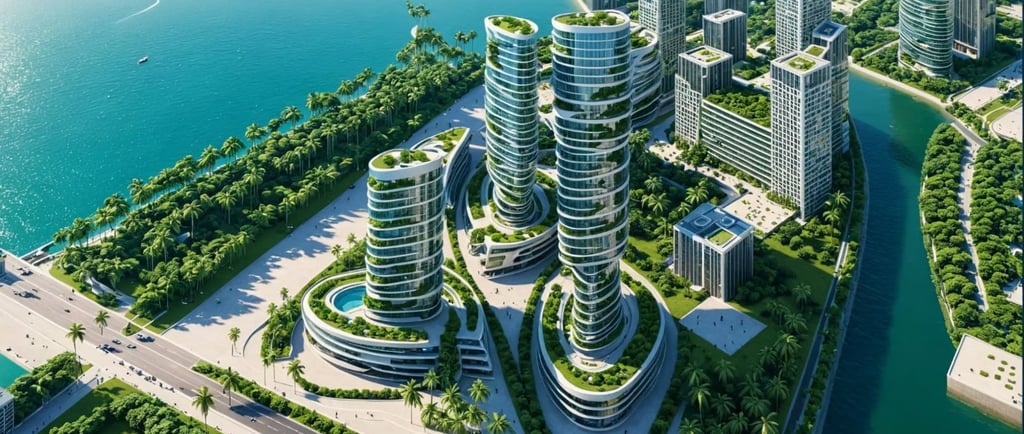
Introduction to Marketing Architecture
Marketing architecture is a key concept in the contemporary real estate market, bridging the gap between design and strategic marketing initiatives. Traditionally perceived as a mere backdrop to real estate transactions, architecture has transitioned to become an essential component that drives value, stimulates sales, and amplifies customer experience. This evolution highlights a profound shift in how stakeholders understand and leverage design as a strategic asset.
In an increasingly competitive environment, property developers, real estate agents, and marketers are recognizing that exceptional architectural design can set a project apart. The visual appeal of a building not only attracts potential buyers but also establishes a brand's identity. This identity is crucial as it shapes consumer perceptions, fostering trust and desirability. Thus, marketing architecture encompasses not only the physical structures but also the emotional resonance these designs generate within the marketplace.
Moreover, the integration of marketing architecture has shown to influence purchasing decisions significantly. By creating environments that anticipate consumer needs and desires, stakeholders can enhance user experiences. For example, spaces designed for functionality and aesthetic pleasure can foster longer visits, encouraging potential buyers to engage more deeply with a property. As such, effective marketing architecture employs strategic layouts, inviting materials, and innovative design concepts to optimize interaction and decision-making.
This strategic approach underscores how architecture serves as a catalyst for value creation. By aligning design objectives with marketing strategies, real estate professionals are better equipped to address market demands, ultimately leading to improved sales performance. Thus, understanding marketing architecture is essential for stakeholders aiming to maximize their impact and succeed in today’s dynamic real estate landscape.
The Importance of Architectural Design in Branding
Architectural design serves as a vital element in the branding process, functioning as the initial point of interaction for potential buyers. The design of a building embodies the essence of a brand and communicates its identity even before any marketing collateral is introduced. This primary interaction can leave a significant impact on customers, influencing their perceptions and expectations about the brand and its offerings.
When visitors approach a building, they form immediate impressions based on its architectural style, materials, and overall aesthetic. A well-executed design evokes emotions and generates curiosity, drawing individuals in to explore further. For instance, modern and innovative architectural elements often suggest a forward-thinking and progressive brand, while traditional designs may evoke feelings of reliability and trust. This immediate assessment can heavily influence customer behavior, making architectural design a critical aspect of effective branding strategy.
Moreover, the architecture of a business location can enhance brand recognition and recall, serving as a physical representation of the company's values and mission. For example, a company that values sustainability may choose eco-friendly materials and designs, reinforcing its commitment to environmental responsibility. Such design choices not only reflect the brand ethos but also create a memorable experience that differentiates it from competitors.
Additionally, architectural design contributes to creating an inviting atmosphere that can enhance customer experience. Thoughtfully designed spaces encourage interaction and engagement while aligning with the brand’s values. Customers can experience a harmonious blend of form and function, resulting in meaningful interactions that extend beyond typical marketing efforts.
In conclusion, architectural design acts as a fundamental component of branding, shaping customer experiences from the very first encounter. Its role in effectively communicating brand identity and values emphasizes how critical it is for businesses to invest in thoughtful architectural strategies as a means to drive value, sales, and ensure positive customer experiences.
Elements of Architecture that Influence Buyer Experience
Architecture plays a crucial role in shaping the buyer's experience, affecting the emotional responses that drive purchase decisions. Several key elements of architectural design contribute to this process, notably massing, façade, entry sequence, material language, and spatial clarity. Each of these components not only defines the aesthetic appeal of a space but also influences how buyers perceive and interact with it.
Massing refers to the volumetric composition of a building. A well-considered massing can evoke feelings of comfort, stability, and even excitement. For instance, larger volumetric forms may convey a sense of strength and reliability, while smaller, intricate masses might instill personal warmth. The strategic use of massing is essential in creating an inviting atmosphere that caters to the psychological needs of potential buyers.
The façade serves as the first visual impression buyers receive, significantly influencing their initial reactions. An attractive and well-designed façade can enhance curb appeal and foster trust, while a poorly executed one may deter potential customers before they even step inside. Additionally, the entry sequence plays a vital role in preparing the buyer for the experience within. A thoughtfully designed approach creates anticipation and intrigue, guiding buyers seamlessly from the exterior into the interior.
Material language encompasses the use of specific materials and textures that evoke certain feelings and associations. For instance, natural materials like wood may create a sense of warmth and comfort, whereas sleek metals can suggest modernity and innovation. Lastly, spatial clarity refers to the organization and flow of an interior space. A clear, well-defined layout enhances visibility and accessibility, which can significantly improve the overall experience and facilitate decision-making. When these elements are thoughtfully integrated, they collectively elevate buyer experiences and positively impact the sales process.
Creating a Lasting Impression: Architectural Identity
Architecture plays a pivotal role in shaping the identity of a development, significantly influencing its marketability and long-term value. A memorable architectural design not only captures attention but also fosters an emotional connection between the structure and its community. This connection translates directly into brand loyalty and can be a major differentiator in a competitive market.
One prominent example of strong architectural identity is the Guggenheim Museum in Bilbao, Spain. Designed by Frank Gehry, this iconic structure has transformed not only its immediate environment but also the city’s global reputation. The museum’s distinctive, fluid shapes have drawn millions of visitors, stimulating local economies and garnering a loyal customer base. This phenomenon, often referred to as the "Bilbao Effect," illustrates how a remarkable architectural identity can lead to sustained economic benefits through tourism and enhanced real estate value.
Similarly, the Salesforce Tower in San Francisco serves as a beacon of innovation and modernity. Its sleek design and eco-friendly features resonate with the city’s values, attracting high-profile tenants and enhancing the overall landscape of the financial district. Projects like these illustrate that a strong architectural identity contributes significantly to market appeal, setting a foundation for economic increase and community pride.
Moreover, it is essential for developers to understand the symbiotic relationship between design, branding, and customer experience. Incorporating unique architectural styles not only enhances the aesthetic appeal but also reinforces the brand narrative, creating environments that are both functional and visually engaging. In diverse sectors, from residential developments to commercial spaces, strong architectural identity emerges as a cornerstone for effective marketing strategies.
In conclusion, the power of architectural identity extends beyond mere visual allure; it plays a fundamental role in establishing lasting value for developments. Through case studies such as the Guggenheim Museum and Salesforce Tower, it becomes clear that distinctive architecture serves as a vital asset, enhancing both brand loyalty and marketability.
Marketing Architecture Beyond Aesthetics
The realm of marketing architecture extends far beyond superficial visual appeal; it encapsulates a comprehensive approach to creating impactful experiences that engage consumers on various dimensions. Effective design in this context involves crafting an environment where consumers can connect emotionally to a brand, thus fostering trust and loyalty. The essence of this approach lies in understanding that modern consumers seek more than just products or services; they aspire to fulfill certain lifestyles and values. This intersection between design and consumer aspirations is where marketing architecture truly shines, delivering experiences that resonate deeply with potential buyers.
Immersive experiences are a key component of marketing architecture, leveraging sensory engagement to evoke emotional responses. For instance, the strategic use of colors, textures, and spatial arrangements can create atmospheres that reflect a brand's identity, aligning perfectly with the desires of target audiences. By designing spaces that encapsulate the brand’s narrative, marketers ensure that consumers are not merely passive observers but active participants in the brand experience. Such engagement is critical in making consumers feel personally connected to the brand, which in turn can drive purchasing decisions.
Moreover, functional design elements play a vital role in shaping this immersive experience. Effective layout and easy navigation can significantly enhance user experience, ensuring that potential buyers can interact seamlessly with the marketed products or services. Brands can utilize digital touchpoints, integrating technology to facilitate more personalized experiences, such as augmented reality features or tailored online interfaces that reflect the user’s preferences. Therefore, the convergence of functional design and emotional engagement in marketing architecture not only enriches consumer experience but also acts as a powerful catalyst in driving sales and enhancing brand value. Ultimately, this holistic approach illustrates that true marketing architecture transcends basic aesthetics, focusing instead on creating meaningful connections with consumers through thoughtful design.
The Role of Collaboration between Architects and Marketers
In the ever-evolving landscape of marketing architecture, the collaboration between architects and marketers emerges as a critical element in enhancing project success. This partnership goes beyond mere coordination; it involves an integrative approach where design vision aligns seamlessly with marketing strategy, creating a compelling narrative that resonates with potential clients and investors.
Architects contribute a deep understanding of aesthetics, functionality, and the technical aspects of a project, laying the foundation for a design that is not only visually appealing but also practical. On the other hand, marketers bring expertise in audience engagement, brand messaging, and market trends. By working together, these two disciplines can produce a unified vision that enhances the visibility and appeal of a project. A story that highlights the unique characteristics of the architecture, combined with strategic marketing efforts, becomes a valuable asset in attracting potential buyers.
This collaboration fosters the development of targeted marketing strategies that reflect the architectural intent. For instance, when a project features sustainable design elements, marketing efforts can emphasize this aspect, aligning with the values of environmentally conscious consumers. Moreover, by leveraging architectural visuals such as renderings and models, marketers can create visually stimulating content that communicates the design's essence. This not only captivates the target audience but also substantiates the project’s value proposition.
The synergy of architects and marketers leads to the creation of a cohesive brand narrative that underpins all marketing initiatives. It allows for the flexible adaptation of marketing campaigns in response to changes in audience perception or market dynamics. Ultimately, this collaboration serves to navigate the complexities of the market, driving sales and investment effectively while enhancing the overall experience for stakeholders involved.
Future Trends in Marketing Architecture
The landscape of marketing architecture is rapidly evolving, driven by emerging technologies, sustainable practices, and shifting consumer preferences. As we move forward, it is crucial to understand how these trends will shape marketing strategies and influence architectural design. One significant trend is the increasing integration of artificial intelligence (AI) and data analytics in marketing architecture. By harnessing AI, developers can create tailored marketing experiences based on consumer behavior and preferences. This allows businesses to target specific audiences effectively, increasing engagement and driving sales.
Another pivotal aspect shaping future marketing architecture is the emphasis on sustainability. As consumers become more environmentally conscious, organizations are prioritizing sustainable practices in their marketing strategies. This shift not only enhances brand reputation but also aligns with the values of modern consumers. Companies are increasingly expected to demonstrate environmental responsibility through their marketing architecture, which may involve innovative design solutions that reduce energy consumption and utilize renewable resources. Consequently, marketers must remain agile in adapting to this trend, ensuring that their strategies resonate with today’s eco-aware audience.
Moreover, evolving consumer preferences are influencing the design and functionality of marketing architecture. The rise of omnichannel marketing reflects the demand for a seamless and cohesive customer experience across multiple touchpoints. As a result, businesses are rethinking their approaches to marketing architecture by creating interconnected platforms that facilitate communication and engagement at every stage of the customer journey. This requires a thorough understanding of consumer behavior and the ability to adapt designs that cater to diverse demographics and their unique needs.
In conclusion, future trends in marketing architecture will largely be determined by advancements in technology, a focus on sustainability, and the dynamic nature of consumer preferences. As a result, marketers must continuously evolve their strategies and designs to maintain a competitive edge in an ever-changing market landscape.
Begin a Design Inquiry.
Transforming ideas into breathtaking architectural realities.
contact:
Start an Inquiry:
© 2024. Sama Karim Design Studios. All Rights Reserved.