

Optimizing Your Design Workflow with AI
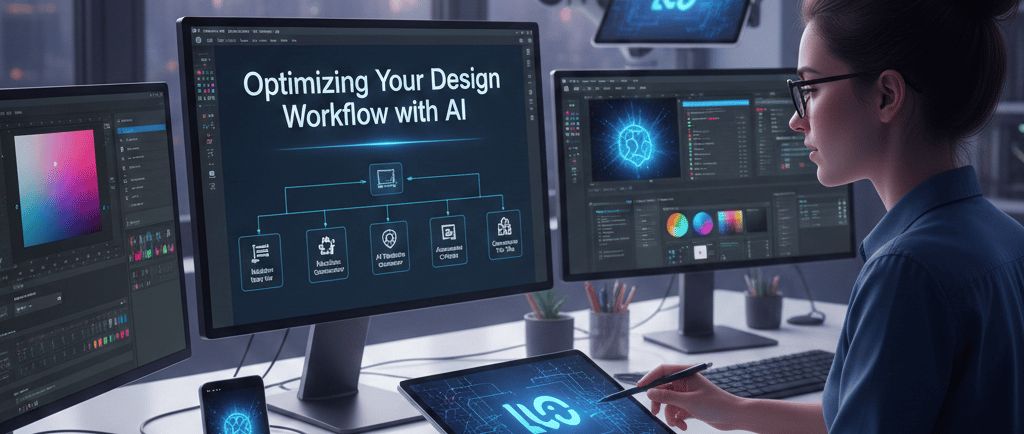
Understanding AI in Design
Artificial intelligence (AI) has a profound impact on the design industry, reshaping how designers create and streamline their workflows. At its core, AI refers to the simulation of human intelligence in machines programmed to think and learn. In design, various AI technologies come into play, primarily categorized into machine learning and generative design tools.
Machine learning algorithms analyze vast amounts of data, recognizing patterns and making predictions that can significantly enhance the design process. For example, these algorithms can personalize user experiences by predicting what users may find appealing based on their previous interactions. This leads to more user-centric designs that resonate with target audiences.
On the other hand, generative design tools use algorithms to explore all possible design solutions given a set of constraints. Designers input parameters such as materials, manufacturing methods, and cost limits, allowing the software to produce numerous design alternatives. This not only accelerates the design process but also opens up new avenues for creativity, enabling designers to envision solutions they may not have considered otherwise.
The integration of AI into the design workflow enhances overall speed and efficiency. By automating repetitive tasks, designers can focus on the more creative aspects of their projects. Furthermore, AI tools can assist in real-time feedback, offering suggestions and refinements that lead to improved design outcomes. This combination of analytics and creativity fosters innovation and ensures that designers stay competitive in an increasingly fast-paced market.
As organizations begin to embrace these sophisticated AI technologies, the transformation of traditional design approaches is becoming evident. The synergy of human creativity and machine intelligence stands to redefine the future of design, making it crucial for professionals in the field to adapt and leverage these advancements.
Tools and Technologies to Enhance Your Design Workflow
In the rapidly evolving field of design, incorporating AI-powered tools can significantly enhance the effectiveness and efficiency of design workflows. Various AI technologies are available that cater to distinct aspects of the design process, thereby streamlining tasks and improving productivity.
One prominent category includes design automation tools such as Adobe Sensei and Canva’s Magic Resize. These platforms leverage machine learning algorithms to automate repetitive tasks, allowing designers to focus on more complex challenges. For instance, Adobe Sensei intelligently analyzes design elements, recommending adjustments to optimize images and layout. Similarly, Canva’s Magic Resize enables users to adapt designs instantly across multiple formats, making it ideal for social media content, presentations, and marketing materials.
Content generation platforms, like OpenAI’s GPT-3 and Copy.ai, are also gaining popularity among designers. These tools can generate text content, assisting in the creation of compelling copy for websites, presentations, and marketing campaigns. Their ability to produce high-quality content quickly can save valuable time and ensure consistency in brand messaging.
User experience optimization tools, such as Hotjar and UsabilityHub, employ AI techniques to analyze user interactions and feedback. These tools provide insights into user behavior, enabling designers to make data-driven decisions that enhance the overall user experience. By utilizing heatmaps and session recordings, designers can identify areas of improvement and optimize interfaces accordingly.
In essence, integrating these AI-powered tools and technologies not only streamlines design workflows but also elevates the quality of the final deliverables. By selecting the right tools based on specific workflow requirements, designers can harness the full potential of AI to enhance their creative processes and achieve superior results.
Best Practices for Implementing AI in Your Workflow
Integrating AI technologies into your design workflow can significantly enhance productivity and creativity when approached strategically. One of the most critical first steps is to assess your current workflow. By understanding the existing processes, you can identify specific areas where AI can add value, such as automating repetitive tasks or improving design analysis. This assessment will also allow you to pinpoint bottlenecks and inefficiencies that AI tools may help eliminate.
Once you have assessed your workflow, it is essential to set clear goals for what you wish to achieve through AI integration. These objectives should align with your overall design strategy and could include enhancing collaboration, increasing quality, reducing turnaround time, or providing richer design insights. Having measurable goals will enable you to gauge the effectiveness of the AI tools you choose to implement.
Selecting the right AI tools is a crucial part of successful integration. There are numerous options available, each serving different purposes, such as generative design, data analysis, or project management. Conduct thorough research and consider conducting trials to see how different tools perform in your design environment before fully committing to any one solution.
Training and onboarding team members to utilize AI technologies effectively form another important pillar in this transition. Providing adequate training ensures that your team can leverage the full potential of AI tools, encouraging creativity and innovation in the design process. Continuous support and knowledge sharing within your team can further enhance adoption.
Lastly, emphasizing the significance of iterative testing and feedback loops cannot be overlooked. Consistently evaluating AI-driven processes allows for adjustments and refinements that can lead to improved outcomes. Gathering feedback not only helps in optimizing the technology but also fosters a culture of collaboration among your design team, ultimately enhancing the integration of AI into your workflows.
Future of Design with AI: Trends and Predictions
The future of design is being rapidly shaped by the integration of artificial intelligence (AI) technologies, prompting a paradigm shift in how designers approach their work. Among the emerging trends, one significant advancement is the use of predictive analytics. This technology allows designers to forecast design trends based on consumer data, thereby enabling them to create more targeted and effective visual solutions. By leveraging data-driven insights, designers can anticipate client needs and market dynamics, ensuring that their work aligns with evolving preferences.
Another notable trend is the transition towards more collaborative environments supported by AI tools. These tools enhance communication and streamline workflows, allowing designers to work alongside AI systems that can generate design options based on specific parameters. As a result, designers may find themselves adopting hybrid roles, where creative intuition meets data analytics, leading to innovative design solutions that were previously unattainable.
However, as the role of designers transforms, ethical considerations arise. The increasing reliance on AI in design processes raises questions about data privacy and the potential loss of human elements in creativity. Designers must remain vigilant about these issues, ensuring that their work adheres to ethical standards while benefiting from technological advancements. Although challenges may emerge, such as competition with automated design tools, they also present an opportunity for designers to redefine their value in the creative ecosystem.
To stay relevant in this rapidly evolving landscape, designers should actively seek opportunities to upskill, particularly in understanding AI technologies. Learning how to effectively collaborate with AI and integrating it into their workflows will be essential in navigating this new terrain. Through adaptability and a forward-thinking mindset, designers can not only keep pace with trends but also contribute meaningfully to the future of design.
Begin a Design Inquiry.
Transforming ideas into breathtaking architectural realities.
contact:
Start an Inquiry:
+1 778 807 3747
© 2024. Sama Karim Design Studios. All Rights Reserved.