DESIGN SHAPES HOW WE EXPERIENCE THE WORLD.


Future Cities Now: How Regenerative Design Will Transform Urban Life
9/26/20255 min read
Understanding Regenerative Urbanism
Regenerative urbanism is a progressive approach to city design that focuses on enhancing the natural environment while addressing the needs of urban populations. Unlike traditional sustainability, which primarily aims to reduce negative impacts, regenerative urbanism seeks to create a net-positive effect on ecological systems. This concept is integral to modern urban planning as cities face challenges such as climate change, resource depletion, and social inequities.
The principles of regenerative urbanism encompass the goal of developing urban spaces that rejuvenate ecosystems, promote biodiversity, and strengthen community bonds. This transformative approach emphasizes a holistic view of urban life, recognizing the interconnectedness of social, economic, and environmental systems. By creating urban environments that not only avoid harm but actively restore and enrich the ecosystem, regenerative design promotes resilience and adaptability in the face of environmental challenges.
Distinguishing regenerative practices from their sustainable counterparts involves recognizing the intent behind urban interventions. While sustainability often focuses on minimizing consumption and waste, regenerative urbanism encourages practices that replenish the natural resources and social cohesion within cities. For instance, projects that incorporate green roofs, permeable surfaces, and urban agriculture not only aim to reduce carbon footprints but also enhance biodiversity and local food production.
Key examples of regenerative design can be seen in cities around the world. For instance, the High Line in New York City is a successful transformation of a disused railway into a green park that benefits local biodiversity and community engagement. Similarly, the Bosco Verticale in Milan showcases how high-rise buildings can contribute positively to urban ecology through extensive vertical gardens. Such case studies illustrate the transformative potential of regenerative urbanism, showcasing how cities can evolve into spaces that nurture both people and nature.
The Elements of a Regenerative City
Regenerative cities focus on creating urban environments that not only sustain but also enhance the ecological and social systems. The fundamental components of a regenerative city include green infrastructure, energy-efficient buildings, water purification systems, urban agriculture, and biodiversity. Each of these elements plays a crucial role in fostering a holistic urban ecosystem that benefits both human and environmental health.
Green infrastructure refers to the use of vegetation and natural processes to manage stormwater, improve air quality, and promote biodiversity. This may include green roofs, rain gardens, and urban forests that not only mitigate the urban heat island effect but also provide critical habitats for various species. Innovative cities are implementing these elements to create urban landscapes that are resilient to climate change.
Energy-efficient buildings are another cornerstone of a regenerative city. These structures utilize sustainable materials, incorporate smart technologies, and follow energy optimization principles. By reducing energy consumption and employing renewable energy sources like solar and wind power, these buildings contribute to lower carbon emissions, promoting a healthier environment for urban dwellers.
Water purification systems are essential for ensuring that cities can provide clean, safe drinking water while maintaining the overall health of local ecosystems. Advanced filtration and greywater recycling systems are increasingly being integrated into urban planning, helping to conserve water resources and reduce pollution.
Urban agriculture allows cities to grow food locally, reducing dependency on food transportation and boosting community engagement. By incorporating community gardens, vertical farms, and rooftop gardens, cities can improve food security while fostering biodiversity within urban spaces.
Lastly, enhancing biodiversity is critical for ecological resilience. Urban spaces that support diverse species can better withstand disturbances and adapt to changing environments. This includes creating wildlife corridors and preserving green spaces. Together, these elements form an interconnected framework that underscores the importance of a regenerative approach to urban design.
Challenges and Opportunities in Regenerative Design
As cities across the globe seek to adopt regenerative design practices, they encounter a multitude of challenges that can impede progress. Political barriers often emerge as a significant hurdle, where differing priorities and agendas among local government officials can stall initiatives. This lack of cohesive vision can lead to fragmented approaches, undermining the potential for holistic urban regeneration. Additionally, the economic challenges associated with implementing regenerative design—such as the need for upfront investment to upgrade infrastructure—can deter stakeholders from embracing sustainable solutions, especially in economically strained areas.
Social barriers also play a critical role in the adoption of regenerative design. Communities may resist change due to cultural attachment to existing urban layouts or fear of gentrification. Effectively addressing these concerns requires transparent communication and active engagement with residents, allowing them to voice their opinions and be part of the decision-making process. It is essential to foster a sense of ownership among community members in the urban regeneration narrative to cultivate long-lasting support for these initiatives.
However, overcoming these challenges presents a unique set of opportunities. Successful integration of regenerative design principles can lead to increased community engagement, as inclusive practices often encourage collaboration among residents, city officials, and urban planners. Involving local populations ensures that design solutions meet the actual needs of the community, enhancing local identity and satisfaction. Furthermore, regenerative design can lead to improved public health outcomes by creating greener spaces that promote physical activity and mental well-being. Economically, cities that invest in sustainable infrastructure may find themselves reaping the rewards in the form of increased property values, reduced operational costs, and enhanced attractiveness to investors and residents alike.
Through a comprehensive understanding of both the hurdles and opportunities in regenerative design, urban areas are better equipped to navigate the complexities of urban regeneration, paving the way for more sustainable and resilient futures.
The Future of Urban Life: A Vision for Regenerative Cities
The concept of regenerative cities embodies a transformative vision for urban life, one where regenerative design principles are integral to the city's fabric. By embracing sustainability, cities can evolve into resilient ecosystems that not only accommodate human life but also nurture the natural environment. This shift promises to redefine the relationship between urban dwellers and their surroundings, fostering a more harmonious existence.
In a regenerative city, urban resilience is prioritized, allowing communities to withstand and adapt to challenges such as climate change, economic shifts, and social inequity. Infrastructure will be designed to absorb, recycle, and utilize resources effectively, minimizing waste while enhancing quality of life. Green spaces will proliferate, offering not only aesthetic beauty but also critical ecosystems that enhance biodiversity. These urban oases help mitigate climate extremes, allowing cities to better cope with heatwaves and floods while promoting mental wellness among residents.
Community well-being emerges as another cornerstone of regenerative urban life. By prioritizing human-centered design, cities will foster social connections through pedestrian-friendly streets, accessible public transit, and spaces that encourage interaction. Communities that thrive on inclusivity and diversity will see enhanced social cohesion, leading to increased collaboration and innovation. Technology will play a critical role in this vision, leveraging smart systems to monitor resources and engage citizens in sustainable practices. Smart grids, for instance, will optimize energy use, while digital platforms will facilitate urban gardening and decentralized food systems.
In this envisioned future, individuals and organizations will work in tandem to embrace regenerative practices. From local governments to community groups, every stakeholder has a part to play in creating cities that not only serve human needs but regenerate the environment. This alliance prepares society for a healthier, more sustainable future, where both humanity and nature flourish side by side.


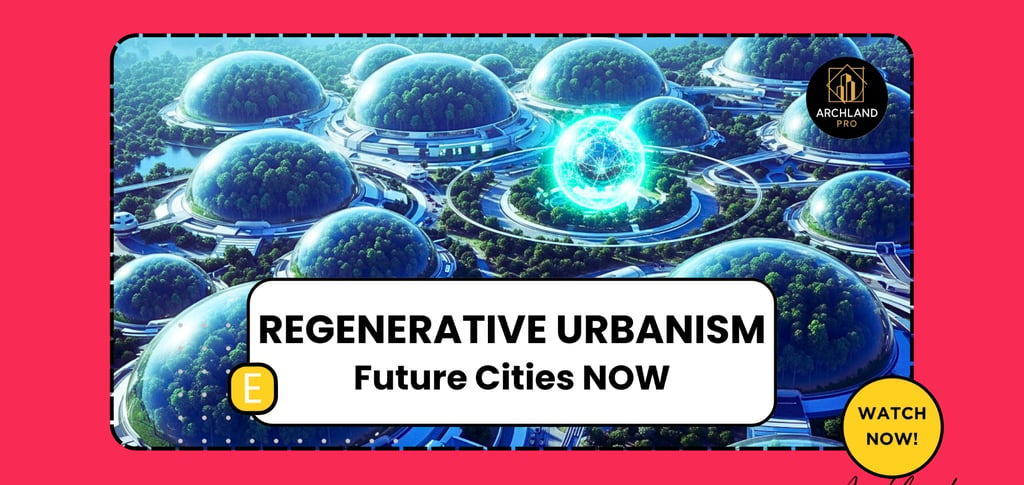
Imagine a city that heals itself. A city that cleans its own air, purifies its water, and grows its own food. This is the promise of Regenerative Urbanism — the next step beyond sustainable design.
Future Cities NOW: How Regenerative Design Will Transform Urban Life
Discover Patrik Schumacher — the mind behind Parametricism and Principal of Zaha Hadid Architects.
From theory to iconic buildings, he’s shaping 21st-century architecture.
Watch the video to learn more, and don’t forget to like and subscribe!
Patrik Schumacher: The Architect Behind Parametricism
In this groundbreaking book, Jeremy Till challenges the traditional ideals of architecture. He argues that architecture is not an isolated, perfect act but a deeply contextual process—entangled with time, people, messiness, and uncertainty.
Book Summary: Architecture Depends by Jeremy Till
Related Videos:
Related Videos:
Join Our Video Community
Stay updated with our latest videos
Begin a Design Inquiry.
Transforming ideas into breathtaking architectural realities.
contact:
Start an Inquiry:
© 2024. Sama Karim Design Studios. All Rights Reserved.