DESIGN SHAPES HOW WE EXPERIENCE THE WORLD.


Rethinking the Future: How Innovation is Redefining Architecture
9/26/20258 min read
Beyond Buildings: Architecture as Experience
Traditionally, architecture has often been perceived as a static and object-oriented field, centered primarily on the design of structures. However, contemporary trends are moving towards a more dynamic interpretation of architecture, where the focus extends beyond mere buildings to encompass a richer, more immersive experience. Modern architects are recognizing that the built environment serves as a backdrop for human interaction, emotional engagement, and community sustenance.
This paradigm shift emphasizes user interaction as a fundamental component of architectural design. Architects are now increasingly challenged to create spaces that resonate with people's emotions and offer sensory experiences. These elements transform the way individuals perceive architecture, ranging from engaging public spaces to intimate environments that foster personal connections. For instance, the High Line in New York City exemplifies this shift. Originally an abandoned railway, it was transformed into a vibrant public park that encourages interaction among visitors, blending nature with urban life while prioritizing communal experience over traditional design aesthetics.
Furthermore, case studies illustrate how innovative designs actively cultivate community engagement. The Acropolis Museum in Athens exemplifies experiential architecture as it integrates historical context with modern design. Visitors not only observe artifacts but are also immersed in narratives that enliven history, encouraging a deeper connection to the space. Such projects highlight the role architects play in shaping experiences that are not limited to visual appreciation but extend to emotional and social dimensions, reinforcing the importance of how environments impact human behavior.
As architects continue to prioritize experiential design, the understanding of architecture evolves, becoming a medium through which individuals navigate their environments. This transition fosters not just aesthetic appeal but also an empathetic connection between users and their surroundings, redefining the role of architecture in contemporary society.
Sustainability: Building for a Better Tomorrow
In recent years, sustainability has emerged as a cornerstone of modern architecture, profoundly reshaping how buildings are conceived and constructed. Innovation in this field has led to the development of green building techniques that prioritize energy efficiency and minimize environmental impact. Architects are increasingly focusing on creating spaces that not only meet the needs of their occupants but also align with the principles of sustainability.
A significant aspect of sustainable architecture is the use of eco-friendly materials. These materials are sourced responsibly, ensuring that their extraction and production do not harm the environment. Examples include recycled steel, bamboo, and low-VOC (volatile organic compounds) paints which contribute to healthier indoor air quality. Furthermore, innovative practices such as the incorporation of renewable energy sources—solar panels, wind turbines, and geothermal systems—are becoming standard features in many modern designs. These elements collectively reduce a building's carbon footprint, making it more sustainable and energy-efficient.
Another key consideration in contemporary architecture is the integration of nature within urban environments. Green roofs, living walls, and urban gardens not only enhance biodiversity but also improve the overall aesthetic of cityscapes. Such features promote a connection between urban society and nature, making cities more livable and pleasant. Notable projects like The Bosco Verticale in Milan and the High Line in New York showcase how architects are creatively incorporating green spaces into dense urban settings.
Architects today are confronting ecological concerns through innovative designs, which challenge traditional building practices. By embracing sustainability, the architectural profession is not only enhancing the built environment but also paving the way for a healthier, more resilient future. This ongoing commitment to green building is fundamental in addressing the urgent issues of climate change and resource depletion, ultimately contributing to a better tomorrow.
Technology's Influence: Smart Architecture
In recent years, advancements in technology have significantly impacted the field of architecture, paving the way for what is now commonly referred to as smart architecture. This innovative approach utilizes state-of-the-art technologies to enhance both the design and functionality of buildings. Central to this transformation is the integration of smart home systems, which allow users to control various aspects of their living environments, such as lighting, heating, and security, through interconnected devices.
Moreover, the advent of artificial intelligence (AI) has further revolutionized architectural practices. AI-driven building management systems enable architects and engineers to optimize energy use, predict maintenance needs, and improve occupant comfort. These systems analyze vast amounts of data to provide insights that would be cumbersome and time-consuming for humans to calculate. This results in more efficient designs and sustainable buildings that not only meet regulatory standards but also promote environmental responsibility.
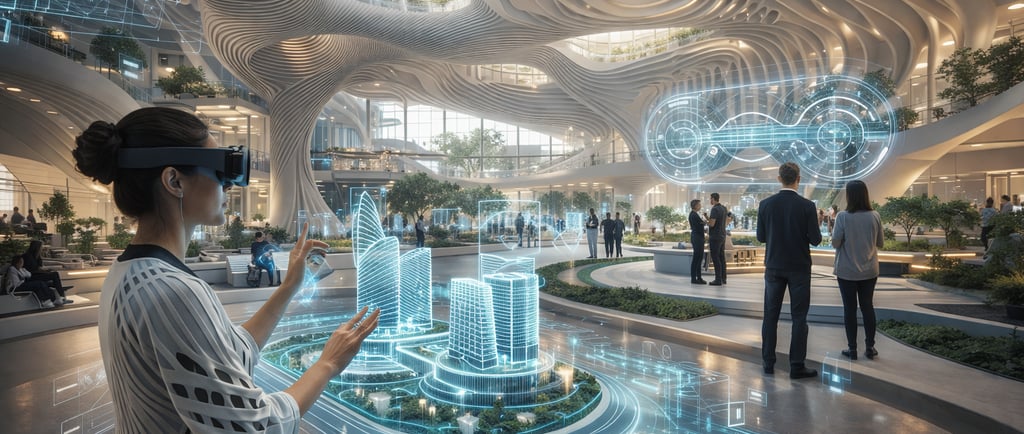
Digital tools such as virtual reality (VR) and augmented reality (AR) have also emerged as essential components in contemporary architectural practices. VR allows clients to immerse themselves in a digital representation of their future spaces, providing a more comprehensive understanding of designs before construction begins. Meanwhile, AR can overlay digital information onto physical spaces, offering real-time visualizations that assist in the decision-making process. These technologies have been successfully incorporated into numerous innovative projects, improving the collaboration between architects and clients and ultimately enhancing project outcomes.
As these technologies continue to evolve, their role in architecture will likely expand further. The emergence of new tools will continuously redefine the boundaries of architectural creativity and efficiency. Acknowledging and adapting to these technological advancements will be essential for architects aiming to remain competitive in an ever-changing industry.
Cultural Reflections: Architecture as a Social Commentary
Architecture has long served as a mirror reflecting the cultural identity and societal values of its time. The evolution of architectural practices reveals a shift that not only encompasses aesthetics and functionality but also serves as a potent commentary on social issues. Contemporary architecture increasingly engages with cultural narratives, becoming a medium through which communities address their identities, aspirations, and challenges.
Innovative architectural designs have frequently emerged in response to pressing societal concerns, illustrating how buildings can influence and be influenced by the socio-political landscape. For example, projects that prioritize sustainability and social equity emphasize the importance of environmental responsibility in today’s society. The Green Building Movement has spurred architects to rethink traditional methods and incorporate renewable materials and energy-efficient systems, thus fostering a dialogue about climate change. By aligning architectural practices with sustainable goals, these projects advocate for a collective consciousness regarding environmental stewardship.
Additionally, architecture has the capacity to challenge existing norms and provoke critical discussions about societal issues. The rise of inclusive design practices, which prioritize the needs of marginalized communities, showcases how architecture can function as a platform for advocacy. Structures that embrace diversity in their design not only accommodate a wider range of individuals but also celebrate the richness of multiculturalism. Notable examples include the design of public spaces aimed at fostering community interaction, such as the High Line in New York City, which revitalized an abandoned railway and transformed it into an urban park accessible to all.
Furthermore, architecture can act as a catalyst for social change by promoting dialogue and inspiring activism. Innovative projects often serve as focal points for community engagement, igniting discussions that transcend mere aesthetics. By engaging with the historical and cultural contexts of the locations they inhabit, architects can acknowledge the narratives that have shaped communities and use these stories as a foundation for future development. Through this lens, architecture becomes a means of storytelling, reflecting the evolving identity of society itself.
The Role of Community Engagement in Design
Community engagement is a pivotal aspect of modern architectural design, ensuring that spaces are not only functional but also reflective of the needs and desires of the residents they serve. Involving community members in the design process fosters a sense of ownership and pride in local projects, ultimately leading to enhanced satisfaction and sustainability. One effective method of gathering input is through public meetings and workshops, where stakeholders can voice their opinions and share their vision for the built environment. These sessions create an open dialogue between architects, planners, and the community, allowing for a collaborative approach to design.
Additionally, surveys and focus groups can provide valuable insights into the specific needs of a community. By employing these tools, architects can identify key priorities, such as accessibility, safety, and aesthetic preferences. This input is critical in developing designs that cater to diverse demographics, including families, seniors, and individuals with disabilities. For example, a neighborhood park designed based on direct feedback from residents can include features that encourage active lifestyles, such as playgrounds, walking trails, and open spaces for community gatherings.
Several notable community-driven architectural projects exemplify the positive outcomes of integrating stakeholder feedback. One such project is the regeneration of public housing in London, where residents contributed to the design of their living spaces, resulting in improved layouts and amenities that genuinely reflect their daily lives. The success of these initiatives underscores the necessity of a participatory approach in architecture. By valuing community input, architects not only enhance the functionality and aesthetic appeal of spaces but also cultivate stronger relationships between the built environment and its inhabitants. This inclusive method of design is crucial in redefining architectural practice for a sustainable and equitable future.
Redefining Spaces: Adaptive Reuse and Renovation
In recent years, the trend of adaptive reuse and renovation has gained significant traction within the field of architecture. This approach involves transforming existing buildings for new purposes, an innovative practice that breathes new life into outdated or underutilized structures. Adaptive reuse not only addresses the needs of contemporary users but also preserves historical elements, ensuring the coexistence of the past and present. By creatively reimagining spaces, architects contribute to the cultural and historical narrative of communities while tackling modern challenges.
One of the core benefits of adaptive reuse is its potential for sustainability. By renovating existing buildings rather than constructing new ones, architects can minimize waste and reduce the carbon footprint typically associated with new construction. Furthermore, the preservation of materials and architectural features often results in a more resource-efficient process. As cities increasingly grapple with environmental concerns, the practice of reusing and renovating existing structures will likely become central to sustainable urban planning.
Numerous case studies exemplify how successful renovations can positively impact both communities and environments. For instance, the transformation of the High Line in New York City from an abandoned railway to a vibrant urban park showcases how adaptive reuse can revitalize a neighborhood. Similarly, the Tate Modern in London, once a power station, now serves as a renowned contemporary art museum, exemplifying how innovative design can repurpose industrial spaces into cultural landmarks.
Ultimately, adaptive reuse and renovation represent a dynamic intersection of innovation, sustainability, and historical preservation. As more architects embrace this trend, the future of architecture may increasingly reflect a commitment to recognizing and responding to the diverse needs of contemporary society while honoring its architectural heritage. By redefining spaces through these creative practices, architects are uniquely positioned to shape the built environment in a meaningful and impactful way.
The Future of Architecture: Trends to Watch
As we look towards the future, several notable trends and innovations are poised to redefine architecture in the coming years. One of the most significant movements is biophilic design, which emphasizes the integration of nature into the built environment. This trend not only enhances aesthetic appeal but also promotes well-being by fostering a connection between occupants and nature. As urban areas continue to expand, architects are increasingly incorporating green spaces, natural materials, and sustainable practices to create harmonious environments that facilitate both environmental and psychological benefits.
Another emerging trend is modular construction, which utilizes prefabricated components that can be assembled on-site. This method offers various advantages, including increased efficiency, reduced waste, and cost savings. The modular approach allows architects to deliver high-quality structures while addressing housing shortages in urban areas. As technology advances, innovative materials and construction techniques are making modular design more viable, providing architects with new tools to respond to the growing demand for flexible and sustainable living spaces.
The impact of climate change is also shaping architectural practices, driving the need for resilient and adaptive designs. Architects are increasingly prioritizing sustainability by utilizing energy-efficient technologies and eco-friendly materials. The importance of designing for climate resilience cannot be overstated, as it enables structures to withstand extreme weather events and changing environmental conditions. To navigate these challenges, architects are collaborating with engineers and environmental scientists to develop strategies that mitigate risks associated with climate variability.
In conclusion, the future of architecture will be characterized by a blend of biophilic design, modular construction, and climate-responsive practices. As architects continue to innovate and adapt to emerging challenges, the profession will evolve to create safer, more sustainable environments that cater to both human needs and the planet's well-being. Through these advancements, architecture will play a critical role in shaping our shared future.


explores how AI is transforming design, planning, and construction.
From site analysis to smart buildings, it shows how algorithms enhance creativity and efficiency.
A must-read for students, professionals, and enthusiasts seeking the future of architectural design.
Machine Learning for Architecture by Eric Miller
Discover Patrik Schumacher — the mind behind Parametricism and Principal of Zaha Hadid Architects.
From theory to iconic buildings, he’s shaping 21st-century architecture.
Watch the video to learn more, and don’t forget to like and subscribe!
Patrik Schumacher: The Architect Behind Parametricism
In this groundbreaking book, Jeremy Till challenges the traditional ideals of architecture. He argues that architecture is not an isolated, perfect act but a deeply contextual process—entangled with time, people, messiness, and uncertainty.
Book Summary: Architecture Depends by Jeremy Till
Related Videos:
Related Videos:
Subscribe to our newsletter
Enjoy exclusive special deals available only to our subscribers.
Begin a Design Inquiry.
Transforming ideas into breathtaking architectural realities.
contact:
Start an Inquiry:
© 2024. Sama Karim Design Studios. All Rights Reserved.