DESIGN SHAPES HOW WE EXPERIENCE THE WORLD.


Masterplanning the Future: Unlocking the Potential of Island Living
9/26/20258 min read
Introduction to Island Masterplanning
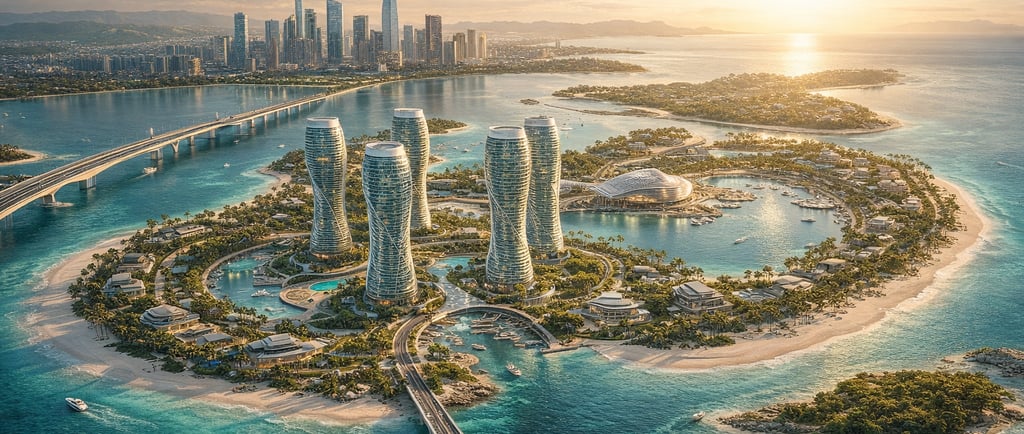
Island masterplanning represents a critical approach in the design and development of sustainable communities in unique geographical contexts. This process involves comprehensive planning strategies that address the intricate balance between maintaining natural ecosystems, preserving local culture, and providing modern amenities necessary for a thriving population. A carefully crafted master plan serves as the blueprint for development, focusing on harmonizing the interaction between human habitats and their surrounding environment.
The importance of island masterplanning cannot be overstated, especially in light of current global challenges such as climate change and increasing tourism demands. As island communities face these pressures, it becomes imperative to adopt innovative approaches that ensure long-term viability. Effective masterplanning allows for the integration of sustainable practices that protect sensitive coastal ecosystems while fostering economic growth through tourism and other sectors.
Moreover, a well-executed master plan addresses myriad factors, such as land use, transportation, utilities, community facilities, and recreational spaces. It emphasizes the significance of creating places that are not only functional but also culturally relevant and aesthetically pleasing. By doing so, planners can enhance the quality of life for residents and visitors alike, thus fostering a sense of belonging and community pride.
In an era where environmental sustainability is of utmost significance, island masterplanning encourages a mindful approach to development, where the needs of the present do not compromise the resources available for future generations. Through collaborative efforts among stakeholders, including local governments, residents, and experts, island masterplanning paves the way for resilient communities that thrive amid evolving challenges.
The Vision: A Sustainable Future
As urbanization and climate change continue to pose significant challenges across the globe, the vision of establishing a sustainable island community gains vital importance. This concept not only emphasizes the adoption of renewable energy sources but also promotes the responsible management of water and waste to ensure a harmonious living environment. By integrating these key elements, a sustainable future can be realized, addressing both environmental concerns and the quality of life for residents.
Renewable energy forms the backbone of sustainable island living. Harnessing solar, wind, and hydropower serves to reduce reliance on fossil fuels significantly. These energy sources, abundant in many island locations, can power homes, businesses, and public services while minimizing carbon footprints. Further, the investment in smart grid technologies enables efficient distribution and usage of energy, allowing the community to adapt to changing demands and storage capacities. This transition to renewable energy not only curtails greenhouse gas emissions but also fosters energy independence, crucial for isolated island regions.
Water conservation is another cornerstone of this vision. Isolated ecosystems depend heavily on their local water sources; therefore, sustainable water management practices are essential. Incorporating rainwater harvesting systems and greywater recycling ensures that the community efficiently utilizes its limited water resources. Moreover, the design of drought-resistant landscapes and native plant gardens can further reduce water usage while maintaining ecological balance, proving beneficial for the environment and the well-being of residents.
Lastly, robust waste management strategies are imperative for sustaining island communities. Emphasizing reduction, reuse, and recycling is essential to minimize landfill use and prevent pollution. Implementing composting programs, encouraging upcycling initiatives, and promoting educational campaigns can foster a culture of sustainability. Collectively, these elements contribute to a thriving island community that not only meets its residents' needs but actively combats environmental challenges, setting a precedent for future developments globally.
Designing Multi-Layered Communities
Multi-layered communities represent a progressive approach to urban planning, particularly in island environments where space can be limited. These communities integrate diverse spaces for residential living, tourism, and local culture, all of which can coexist harmoniously. By designing with a focus on multifaceted use, planners can create an environment that fosters engagement and vibrancy.
One essential element in the master plan of these communities is the integration of eco-resorts. These establishments not only provide luxurious accommodations but also prioritize sustainability and environmental consciousness. Features such as solar energy systems, rainwater harvesting, and native landscaping enhance the natural beauty of the island while minimizing ecological impact. Visitors in eco-resorts experience comfort without compromising the integrity of the local ecosystem.
Alongside eco-resorts, wellness retreats play a crucial role in fostering a sense of community well-being. These retreats typically include facilities for holistic health practices, such as yoga studios, meditation gardens, and organic dining options. The design often incorporates natural elements that allow individuals to reconnect with nature, thus creating a serene atmosphere conducive to relaxation and rejuvenation. By catering to both tourists and residents focusing on health, these retreats contribute to the appeal of the community as a whole.
Moreover, cultural hubs are vital for preserving local heritage and promoting artistic expression. These centers serve as venues for art exhibitions, performances, and craft markets, encouraging residents and tourists to engage with the local culture. By weaving in architectural elements that reflect the island's history and traditions, these hubs create a distinct identity and foster a sense of belonging among community members. In this manner, multi-layered communities can effectively blend diverse functions and foster a rich and interconnected community experience.
Balancing Nature and Urban Development
As urbanization continues to surge globally, especially within island settings, it has become increasingly vital to integrate nature harmoniously alongside urban development. Striking this balance not only preserves the unique ecosystems of islands but also promotes sustainable economic growth. A collaborative approach involving stakeholders from various sectors can foster practices that respect both natural landscapes and urban needs.
One effective strategy for achieving this equilibrium is the implementation of green infrastructure. This concept promotes the use of natural processes to manage stormwater, reduce urban heat, and enhance biodiversity within urban areas. By integrating parks, green roofs, and wetland restoration into urban planning, islands can preserve vital habitats while creating inviting communal spaces for residents and visitors alike. The city of Amsterdam serves as a noteworthy example, where the integration of extensive cycling paths within green parks has resulted in a notable reduction of vehicular emissions and has preserved surrounding natural areas.
Learning from real-life projects can further guide island developments. For instance, the Pacific island of Palau has successfully blended tourism with conservation efforts. By designating large portions of its marine environment as protected areas, Palau has fostered ecological integrity while celebrating its cultural heritage. The initiative not only conserves marine biodiversity but also enhances the tourism economy, which relies heavily on the island's pristine conditions. Such examples remind us that balancing urban and natural landscapes is not merely a responsibility, but an opportunity for innovation.
Ultimately, fostering collaboration among architects, environmental scientists, policymakers, and community members is imperative to achieve sustainable urban development on islands. Combined with education on environmental stewardship, these strategies aim not only to improve human livelihoods but also to ensure that the unique island ecosystems thrive for generations to come.
Economic Opportunities Beyond Tourism
Island living is often synonymous with tourism, yet there exists a myriad of economic opportunities that extend far beyond this traditional facet. To unlock the full potential of island communities, it is essential to explore innovative avenues such as agricultural ventures, sustainable fishing practices, and the establishment of technology hubs.
Agriculture on islands can thrive due to favorable climates and potent soil conditions, allowing for the cultivation of various crops and the introduction of organic farming methods. Integrating agri-tourism can further enhance local economies, as visitors seek to engage with sustainable farming practices, thereby providing a dual source of revenue. Moreover, the promotion of local produce can bolster food security, reduce imported goods, and stimulate community development through farmers’ markets and supply chain initiatives.
Sustainable fishing represents another significant economic opportunity for island regions. As global demand for seafood continues to rise, islands can emerge as leaders in responsible fishing practices and aquaculture. By adopting eco-friendly methods and adhering to regulatory standards, local fishermen can ensure the long-term viability of their livelihoods while contributing to marine conservation efforts. The establishment of certifications for sustainable fisheries can also create niche markets, attracting conscientious consumers and fostering collaboration within communities.
In addition to agriculture and fishing, technology hubs present a transformative avenue for economic diversification. As remote work becomes increasingly prevalent, islands can position themselves as attractive destinations for digital nomads and tech start-ups. By investing in infrastructure, reliable internet access, and supportive policies, local governments can cultivate environments where innovation flourishes, providing stable job opportunities and keeping young talent in the community.
By embracing these economic avenues beyond tourism, island communities can cultivate resilience, ensuring a diverse economic landscape that provides stable job prospects and enhances the quality of life for residents, ultimately leading to sustainable development.
Community Involvement and Cultural Integration
The significance of community involvement in the masterplanning process cannot be overstated, particularly in island living contexts where local cultures and social dynamics are unique. Engaging local residents in the decision-making process creates a sense of ownership and pride among the community members. This collaborative approach fosters an inclusive environment, ensuring that the developments resonate culturally and socially with the existing population. When residents actively participate in shaping their living spaces, the outcomes tend to reflect their values, lifestyle, and aspirations, which can significantly enhance community satisfaction and cohesion.
Cultural integration is equally important as it plays a pivotal role in preserving the identity of the island community. Masterplanning should not merely focus on the physical aspects of development; it must also encompass the intangible cultural elements that define the community’s heritage. By acknowledging and incorporating local customs, traditions, and historical elements, new developments can effectively become a continuation of the area's legacy rather than a replacement. This could involve features such as public art installations that celebrate local folklore, community centers that host traditional events, or architecture that reflects indigenous styles.
Moreover, educational programs aimed at raising awareness about local heritage can be introduced as part of the development process. These initiatives not only help in the preservation of culture but also encourage community interaction. By fostering respect for tradition while embracing innovation, masterplanned developments can serve as a bridge between the past and the future. In doing so, they promote a culturally rich environment that can lead to economic benefits through tourism, demonstrating that cultural heritage and modern development can coexist synergistically.
Future Challenges and Solutions
Implementing a master plan for island living necessitates a thorough understanding of the various challenges that may arise. Among these, climate change poses the most significant threat, as rising sea levels and increasingly severe weather conditions can jeopardize infrastructure and community safety. To tackle this, it is crucial to incorporate resilience measures into the master planning process. Techniques such as constructing seawalls, restoring natural coastal barriers, and utilizing sustainable urban drainage systems can mitigate the risks associated with these environmental challenges.
In addition to climate considerations, infrastructural issues also play a critical role in the successful execution of a master plan. Many islands have limited resources and space, which can hinder the development of essential amenities and services. To address this, innovative solutions such as modular construction techniques and multi-purpose facilities can maximize land use while enhancing community functionality. By promoting the integration of infrastructure with local ecosystems, planners can create self-sufficient systems that reduce dependency on external resources.
Social dynamics represent another layer of complexity in masterplanning for island living. Challenges may arise from diverse cultural backgrounds, differing economic status, and varying levels of engagement in the planning process. Engaging stakeholders through participatory planning initiatives is essential in fostering a sense of community ownership and inclusivity. By prioritizing open dialogue and collaborative decision-making, planners can harness the collective wisdom of residents, resulting in innovative and locally relevant solutions that address the needs of all community members.
Adopting adaptive management strategies is vital for the long-term sustainability of island communities. These strategies allow for the continuous evaluation and adjustment of plans based on observed outcomes and changing conditions. By remaining flexible and responsive to emerging challenges, island living can evolve in harmony with both human needs and environmental realities, ultimately unlocking its full potential.


explores how AI is transforming design, planning, and construction.
From site analysis to smart buildings, it shows how algorithms enhance creativity and efficiency.
A must-read for students, professionals, and enthusiasts seeking the future of architectural design.
Machine Learning for Architecture by Eric Miller
Discover Patrik Schumacher — the mind behind Parametricism and Principal of Zaha Hadid Architects.
From theory to iconic buildings, he’s shaping 21st-century architecture.
Watch the video to learn more, and don’t forget to like and subscribe!
Patrik Schumacher: The Architect Behind Parametricism
In this groundbreaking book, Jeremy Till challenges the traditional ideals of architecture. He argues that architecture is not an isolated, perfect act but a deeply contextual process—entangled with time, people, messiness, and uncertainty.
Book Summary: Architecture Depends by Jeremy Till
Related Videos:
Related Videos:
Subscribe to our newsletter
Enjoy exclusive special deals available only to our subscribers.
Begin a Design Inquiry.
Transforming ideas into breathtaking architectural realities.
contact:
Start an Inquiry:
© 2024. Sama Karim Design Studios. All Rights Reserved.