DESIGN SHAPES HOW WE EXPERIENCE THE WORLD.


A New Blueprint for Island Living: Where Sustainability Meets Innovation
9/26/20254 min read
Introduction to the Vision
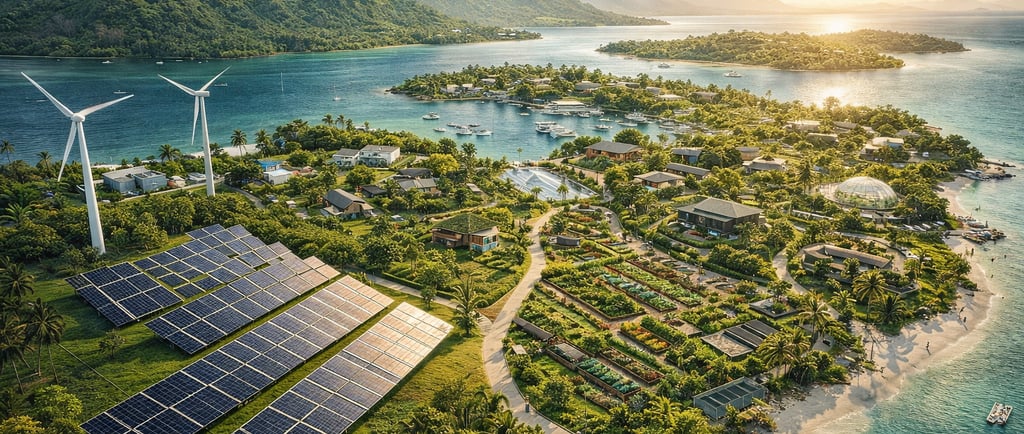
The concept of a forward-thinking island destination that harmonizes sustainability with innovation is rapidly gaining prominence in contemporary urban development. This vision embraces a holistic approach where the island is not merely a transient tourist spot, but a flourishing community that prioritizes ecological integrity alongside technological advancement. By integrating eco-friendly principles into every facet of design and functionality, this master plan aims to cultivate resilience among the populace while promoting a strengthened relationship between the environment and its inhabitants.
At the crux of this blueprint is the desire to create a model for sustainable living. The emphasis on eco-friendliness encompasses various aspects, including renewable energy sources, water conservation techniques, and responsible waste management. By leveraging innovative technologies, infrastructure will not only support environmental sustainability but also enhance the quality of life for residents. The master plan envisions a network of green spaces, sustainable transport options, and community gardens that will not only supply food but also foster a deeper connection with nature.
Key goals of this initiative include reducing the island’s carbon footprint and implementing a circular economy that minimizes waste. Educational programs are also a crucial component, aiming to raise awareness and encourage sustainable practices among residents and visitors alike. This emphasis on sustainability is anticipated to empower the community through active participation, creating an engaged populace dedicated to preserving their home for future generations. Thus, this island outline serves as more than just a living space; it embodies a forward-looking initiative designed to inspire similar communities worldwide, establishing a blueprint for living harmoniously with nature.
Components of the Master Plan
The master plan for the island encompasses a multi-faceted approach to development that harmonizes sustainability with innovation. A critical component of this blueprint is the establishment of eco-resorts, which are designed to minimize environmental impact while offering luxury experiences. These resorts will employ renewable energy sources such as solar and wind power, coupled with water conservation techniques, ensuring that guests enjoy modern amenities without compromising the ecosystem. Their architectural designs will incorporate local materials and traditional construction methods that enhance the island’s aesthetic appeal.
In addition to eco-resorts, the plan also features luxury residences that support sustainable living. These homes will be oriented to maximize natural light and ventilation, reducing dependence on artificial energy sources. Smart home technology will play a pivotal role, allowing residents to monitor and manage their energy consumption effectively. Landscaping will focus on native plant species, contributing to biodiversity while requiring minimal maintenance and irrigation.
Cultural centers are another integral element of the master plan. These centers will serve as hubs for community engagement and cultural expression, showcasing the island's heritage and promoting local art and crafts. Designed with flexibility in mind, these spaces will accommodate various activities such as workshops, exhibitions, and performances, fostering a vibrant community spirit. Additionally, innovation clusters will be strategically developed to attract entrepreneurs and researchers committed to sustainable practices. These clusters will provide resources and networks essential for collaboration, encouraging the development of green technologies and services that benefit both the community and the environment.
Ultimately, each of these components is designed to foster an interconnected lifestyle. By promoting eco-conscious living, cultural enrichment, and technological advancement, the master plan aims to create a thriving hub that attracts visitors and retains residents, ensuring that sustainability remains at the forefront of island living.
Sustainable Infrastructure and Renewable Energy
As society increasingly recognizes the imperative of sustainability, islands around the globe have begun to adopt innovative infrastructure strategies powered by renewable energy sources. Emphasizing eco-friendly practices, these initiatives not only address environmental challenges but also enhance the quality of life for residents and visitors alike. One of the key components of this paradigm shift is the integration of renewable energy technologies, which harness resources such as solar, wind, and biomass to generate clean power. This transition aids in reducing the carbon footprint and promotes self-sufficiency.
In conjunction with renewable energy, smart mobility initiatives have drastically redefined transportation on the island. The promotion of electric transportation options—including electric buses, bikes, and even car-sharing programs—offers a sustainable alternative to traditional vehicles. Walkable urban designs further enhance accessibility, encouraging inhabitants and tourists to explore the island on foot or by using electric mobility solutions like scooters. This not only reduces congestion but also diminishes emissions, contributing to the island's overall sustainability goals.
Moreover, regenerative design strategies play a critical role in maintaining and enhancing the ecological health of the island. By incorporating natural elements into urban planning—such as green roofs, permeable pavements, and native plant landscaping—these designs help to bolster biodiversity. Regenerative practices aim to restore ecosystems by promoting the natural processes that support wildlife habitats and improve air and water quality. Together, these elements create a resilient infrastructure that complements the island's natural beauty while fostering a strong sense of community.
This harmonious blend of renewable energy, innovative transportation, and regenerative design underscores the practical applications of sustainability, demonstrating how thoughtful planning can lead to a more sustainable future for island residents and visitors alike.
Benefits for Investors and Community Engagement
The island presents a unique and compelling opportunity for investors as it combines sustainable tourism and real estate development, both of which are rapidly gaining traction in today's economy. Investors are increasingly seeking out ventures that not only promise substantial returns but also align with environmentally responsible practices. The integration of green technologies and sustainable architecture into the island’s development attracts a diverse range of investors who recognize the pivotal role that eco-friendly initiatives play in modern investment decisions.
In recent years, sustainable tourism has emerged as a significant market force, and the island capitalizes on this trend by offering a range of eco-conscious experiences. Visitors are drawn to immersive activities that promote environmental stewardship, such as guided nature walks, organic farming workshops, and community-driven events. These experiences not only enhance the visitor's stay but also foster a deeper connection between the island's residents and its guests, creating a vibrant community engaged in sustainable practices.
The real estate sector on the island is also oriented towards sustainability, with a focus on developing properties that minimize environmental impact while providing luxury amenities. This balance of opulence and responsibility appeals to discerning buyers who seek homes that reflect their values and lifestyle choices. The investment climate is further strengthened through initiatives aimed at supporting local businesses, promoting cultural exchanges, and encouraging community participation in decision-making processes.
Ultimately, the island is emerging as a forward-thinking lifestyle brand, illustrating that it is not merely a destination but a model for the future of urbanism. By fostering collaboration between investors, residents, and visitors, the island is paving the way for economic growth that prioritizes both community engagement and sustainable practices. This holistic approach enhances the island's appeal and positions it as a beacon of innovation in the realm of sustainable living.


explores how AI is transforming design, planning, and construction.
From site analysis to smart buildings, it shows how algorithms enhance creativity and efficiency.
A must-read for students, professionals, and enthusiasts seeking the future of architectural design.
Machine Learning for Architecture by Eric Miller
Discover Patrik Schumacher — the mind behind Parametricism and Principal of Zaha Hadid Architects.
From theory to iconic buildings, he’s shaping 21st-century architecture.
Watch the video to learn more, and don’t forget to like and subscribe!
Patrik Schumacher: The Architect Behind Parametricism
In this groundbreaking book, Jeremy Till challenges the traditional ideals of architecture. He argues that architecture is not an isolated, perfect act but a deeply contextual process—entangled with time, people, messiness, and uncertainty.
Book Summary: Architecture Depends by Jeremy Till
Related Videos:
Related Videos:
Subscribe to our newsletter
Enjoy exclusive special deals available only to our subscribers.
Begin a Design Inquiry.
Transforming ideas into breathtaking architectural realities.
contact:
Start an Inquiry:
© 2024. Sama Karim Design Studios. All Rights Reserved.