DESIGN SHAPES HOW WE EXPERIENCE THE WORLD.


Exploring Immersive Environments: XR and Cyber-Urban Futures
12/16/20252 min read
The Intersection of XR and Urban Development
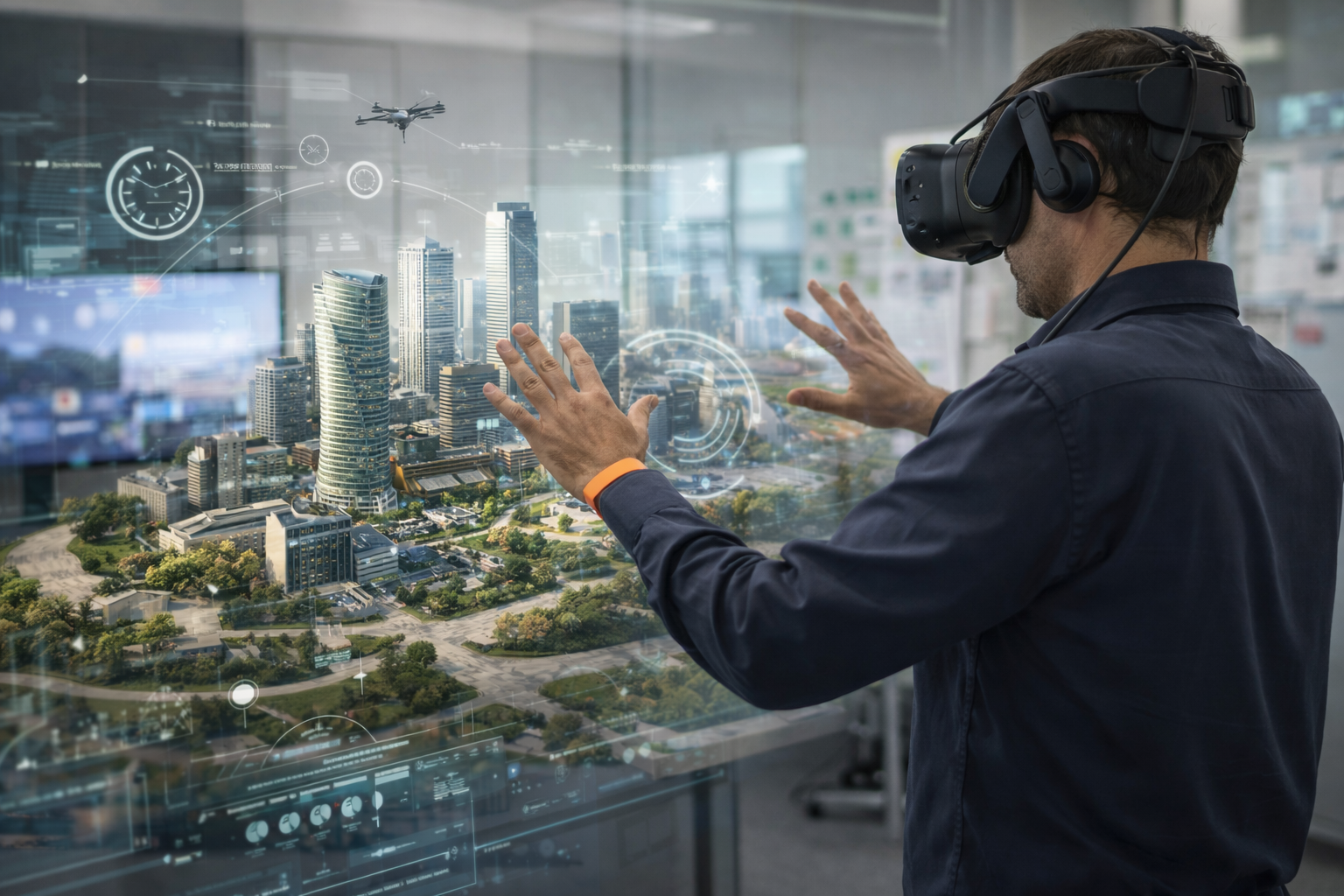
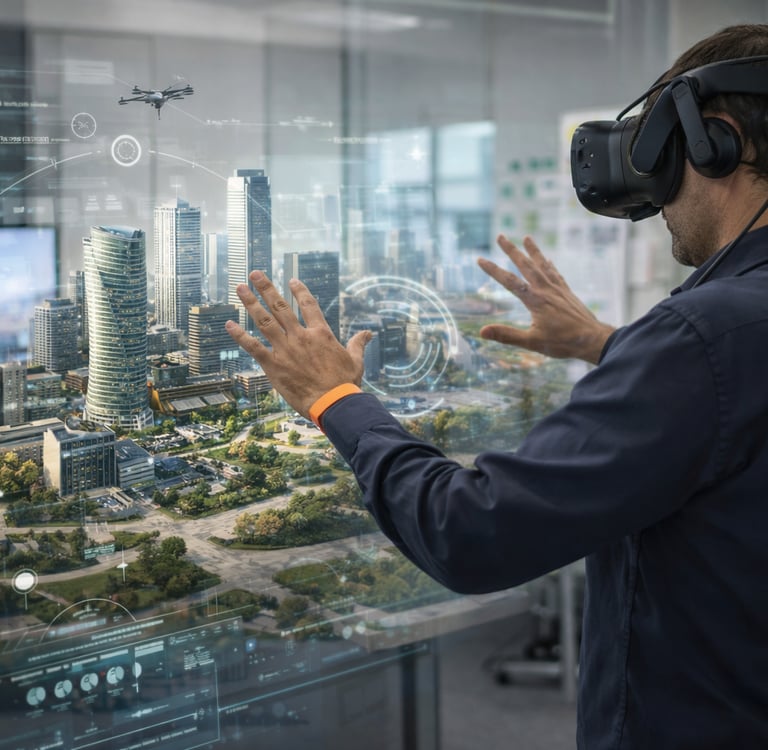
In recent years, the integration of extended reality (XR) technologies into urban planning has emerged as a groundbreaking avenue for enhancing the experience of modern cities. As the world increasingly embraces digital transformation, immersive environments are becoming pivotal in shaping cyber-urban futures. This integration invites a fresh perspective on how urban spaces can evolve, accommodating the needs of diverse populations while fostering a connection between the digital and physical realms.
Transforming Urban Experiences through Immersive Environments
Immersive environments created by XR technologies are redefining traditional urban experiences. By employing augmented reality (AR) and virtual reality (VR), city planners and developers can visualize projects before they come to fruition, allowing for real-time adjustments and feedback from the communities they serve. This dynamic interaction empowers citizens to engage in the planning process, ultimately leading to more user-centric urban designs.
The Future of Cyber-Urban Spaces
As we look toward the future, the potential for cyber-urban spaces is immense. The symbiotic relationship between immersive environments and urban infrastructure will influence various aspects of city life. From enhanced navigation systems featuring AR overlays to virtual real estate tours within futuristic development projects, the possibilities seem endless. This seamless blend of physical and digital realms not only transforms daily activities but also redefines societal engagement with urban environments.
Moreover, as urban centers become increasingly congested, sustainable practices will play a critical role in urban design. XR can facilitate smarter resource management and planning that prioritize ecological sustainability, thereby contributing to more livable cities. The ability to simulate scenarios through immersive technologies enables stakeholders to test hypotheses regarding traffic flows, energy consumption, and public spaces, cultivating a better understanding of urban dynamics.
Ultimately, the future of urban development hinges on the collaboration between technological innovation and human-centric design. XR and immersive environments present a unique opportunity to envision and create urban spaces that not only accommodate growth but also enhance the quality of life for residents. As these technologies become more accessible, cities worldwide stand to benefit from incorporating them into their master planning efforts.
In conclusion, the integration of XR technologies into urban planning signifies a pivotal advancement in our approach to building cyber-urban futures. By harnessing the power of immersive environments, we can create responsive, dynamic, and sustainable urban landscapes that reflect the aspirations of their inhabitants. This transformative journey toward more thoughtful cityscapes has only just begun, promising an exciting and engaging era of urban living.
Begin a Design Inquiry.
Transforming ideas into breathtaking architectural realities.
contact:
Start an Inquiry:
© 2024. Sama Karim Design Studios. All Rights Reserved.