

The Future of Architecture: Embracing Generative Design and Parametric Intelligence
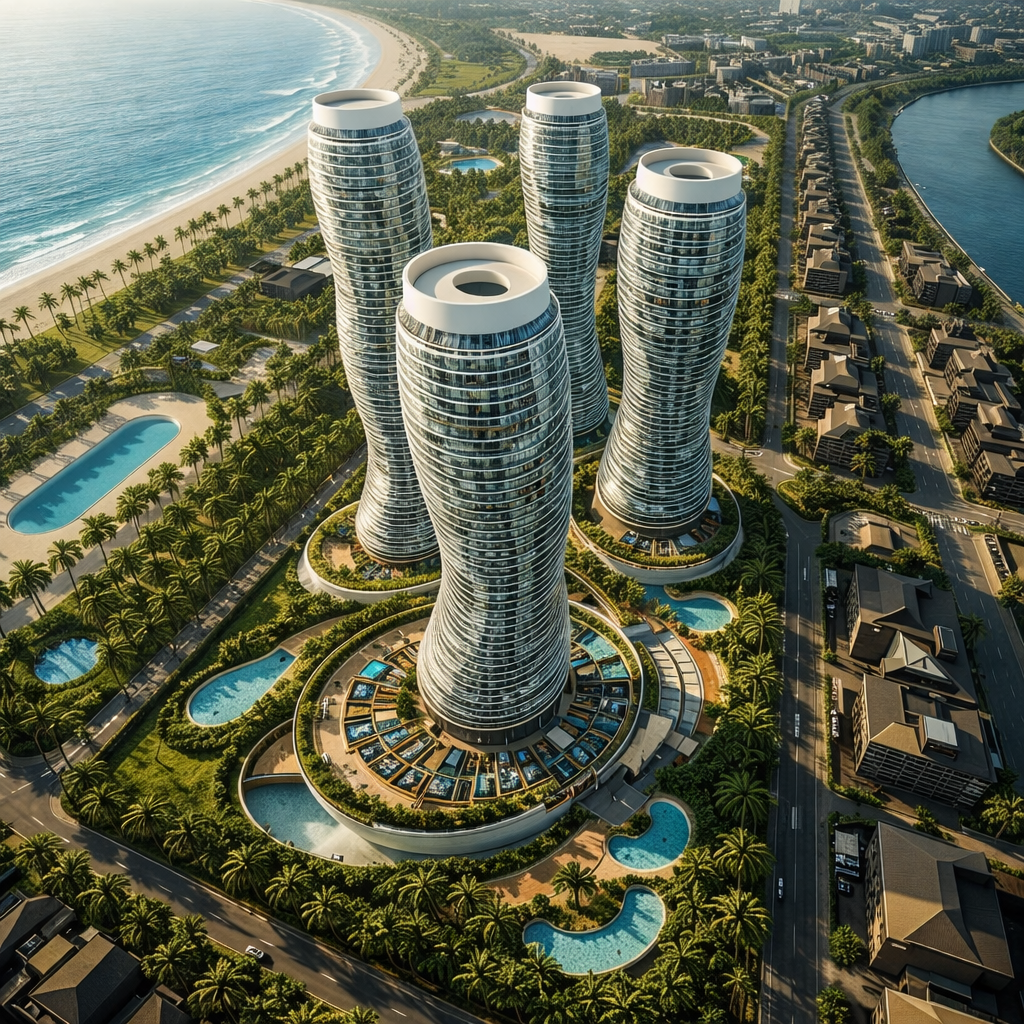
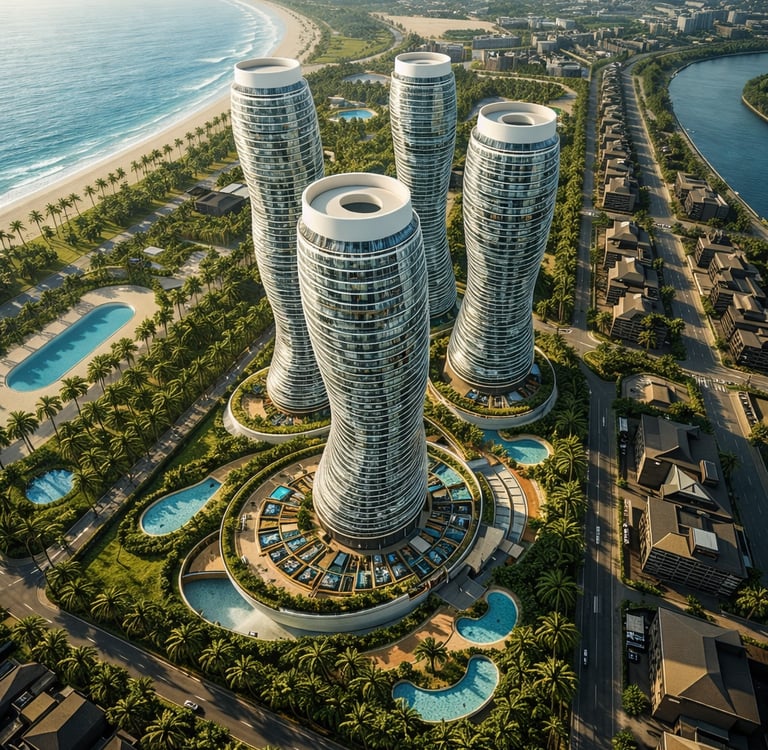
Understanding Generative Design in Architecture
Generative design is a cutting-edge approach in the field of architecture that utilizes computational algorithms to develop design solutions. This innovative method harnesses the power of technology, allowing architects to explore a multitude of design possibilities beyond conventional limits. At its core, generative design emphasizes systems that understand and optimize based on predetermined objectives such as material efficiency, structural performance, and user satisfaction. With the capabilities of generative algorithms, architects can generate numerous iterations of a single design, enabling them to select the most suitable option for a given project.
The process begins by inputting specific constraints and requirements into a generative design program. These parameters may include aesthetic criteria, spatial relationships, environmental considerations, and budget limitations. Once the parameters are established, the algorithm operates by simulating various design scenarios based on the given input. The system analyzes outcomes against the defined objectives, iteratively refining the designs to create optimal solutions. As a result, generative design fosters innovative architectural creations that respond dynamically to various factors, such as environmental data and user interactions.
One of the key features of generative design is its ability to adapt to changing conditions or requirements, setting it apart from traditional architectural methods that often rely on static designs. Archiving diverse results allows architects to make data-informed decisions that streamline processes, potentially reducing material waste and energy consumption. Furthermore, generative design presents opportunities for collaborative creativity, empowering stakeholders and users to participate in the shaping of spaces that accommodate their needs. In summary, generative design is revolutionizing the architectural landscape, promoting a sustainable, efficient, and highly responsive approach to the built environment.
The Role of Environmental Data in Shaping Architecture
In the realm of generative design, the integration of environmental data is paramount in influencing architectural outcomes. This data encompasses a myriad of factors, including climate conditions, light exposure, and topographical variations, which collectively inform and enhance the design process. By analyzing such information, architects can make more informed decisions that not only meet aesthetic criteria but also align with sustainability goals.
One significant aspect of utilizing environmental data is its ability to optimize energy efficiency within architectural designs. For instance, architects can employ climate analysis tools to assess local weather patterns, enabling them to strategize the placement of windows and insulation materials effectively. This foresight can lead to reduced energy consumption, as natural heating and cooling strategies are employed. Furthermore, data regarding light exposure can assist designers in determining the optimal orientation of buildings, maximizing daylight while minimizing glare, thus contributing to a comfortable indoor environment.
Case studies exemplifying the successful application of environmental intelligence are abundant. One notable project is the Bosco Verticale (Vertical Forest) in Milan, which integrates biophilic design principles with rigorous environmental analysis. By utilizing local climate data, the designers optimized vegetation placement on the building's façade, enhancing biodiversity while simultaneously improving insulation properties. Another example is the One Central Park in Sydney, where architects utilized solar studies and wind data to create a design that promotes passive ventilation and reduced reliance on mechanical cooling systems.
By embracing the role of environmental data, architects can craft spaces that are not only functional but also harmoniously integrated within their ecosystems. This data-driven approach allows for the creation of structures that are not only visually appealing but also support the well-being of their occupants and the planet. As generative design continues to evolve, the significance of environmental data will undoubtedly expand, shaping the future of sustainable architecture.
Optimizing Structure and Material Usage through Parametric Intelligence
Parametric intelligence represents a groundbreaking approach in the field of architecture, where design decisions are driven by parameters and rules rather than static measurements. This method facilitates a dynamic interaction between architectural forms and the constraints imposed by material properties and structural requirements. By employing parametric modeling, architects can simulate various scenarios, leading to optimized structural designs that can adapt to changing conditions.
The utilization of parametric software empowers architects to analyze how different materials respond under various loads and environmental conditions, thus promoting innovative solutions that enhance both functionality and aesthetics. These tools allow for the examination of different material configurations, contributing to the efficient use of resources and minimizing wastage. For instance, by adjusting parameters, architects can efficiently assess load distribution across a structure, helping to achieve an optimal balance between material usage and structural integrity.
Leading architectural software programs, such as Grasshopper and Rhino, serve as integral components of the parametric design process, allowing for intricate simulations and real-time adjustments. These platforms facilitate iterative design workflows where architects can experiment with geometric configurations and their resultant performance metrics. Consequently, the outcome of such explorations often results in structures that not only perform better but also utilize materials in a more sustainable manner.
Moreover, the incorporation of generative design algorithms further enhances parametric intelligence. Generative design can propose multiple design alternatives based on specified criteria, allowing architects to select solutions that minimize resource consumption while maximizing strength and durability. This approach ultimately fosters an architectural practice that is increasingly attuned to the principles of sustainability, solidifying the role of parametric intelligence in the future of architecture.
The Shift to Adaptive and Responsive Systems in Architecture
The architectural landscape is undergoing a profound transformation, marked by a shift from traditional static form-making to dynamic, adaptive, and responsive systems. This evolution is largely driven by advancements in generative design, a computational approach that harnesses the power of algorithms to create innovative solutions tailored to specific contexts and requirements. Generative design allows architects to explore a myriad of possibilities, resulting in built environments that can adjust and accommodate changing needs over time.
One of the key advantages of generative design is its capacity to generate multiple iterations of a design, each optimized for various factors such as environmental conditions, user preferences, and functionality. This iterative process enables architects to create structures that are not only aesthetically pleasing but also functionally efficient and environmentally harmonious. As urban spaces become increasingly complex, embracing adaptive systems will ensure that buildings can respond to not only the needs of their inhabitants but also external factors like climate change and urbanization.
Emerging trends in architecture reflect this shift toward incorporating adaptive systems. For example, smart buildings equipped with sensors and automation technologies are now commonplace, enabling real-time adjustments to lighting, heating, and cooling based on occupancy levels and environmental conditions. Furthermore, advancements in materials science are paving the way for responsive materials that can change their properties in reaction to stimuli, such as temperature or humidity, enhancing occupant comfort and energy efficiency.
Ultimately, the integration of generative design and parametric intelligence into the architectural process holds significant implications for sustainability. Adaptive structures can minimize resource consumption and waste by promoting efficient use of materials, energy, and space. As the sector evolves, the potential for creating architecture that enhances the human experience while prioritizing environmental stewardship is becoming increasingly attainable, heralding a new era of design that is both innovative and responsible.
Begin a Design Inquiry.
Transforming ideas into breathtaking architectural realities.
contact:
Start an Inquiry:
+1 778 807 3747
© 2024. Sama Karim Design Studios. All Rights Reserved.