

Understanding Agentic AI
Agentic AI refers to a class of artificial intelligence systems characterized by their ability to operate autonomously, making independent decisions based on their learned experiences and preset objectives. Unlike traditional AI systems, which typically follow rigid programming rules to perform tasks, agentic AI possesses a level of self-direction and adaptability that allows it to respond to dynamic environments and varying contexts.
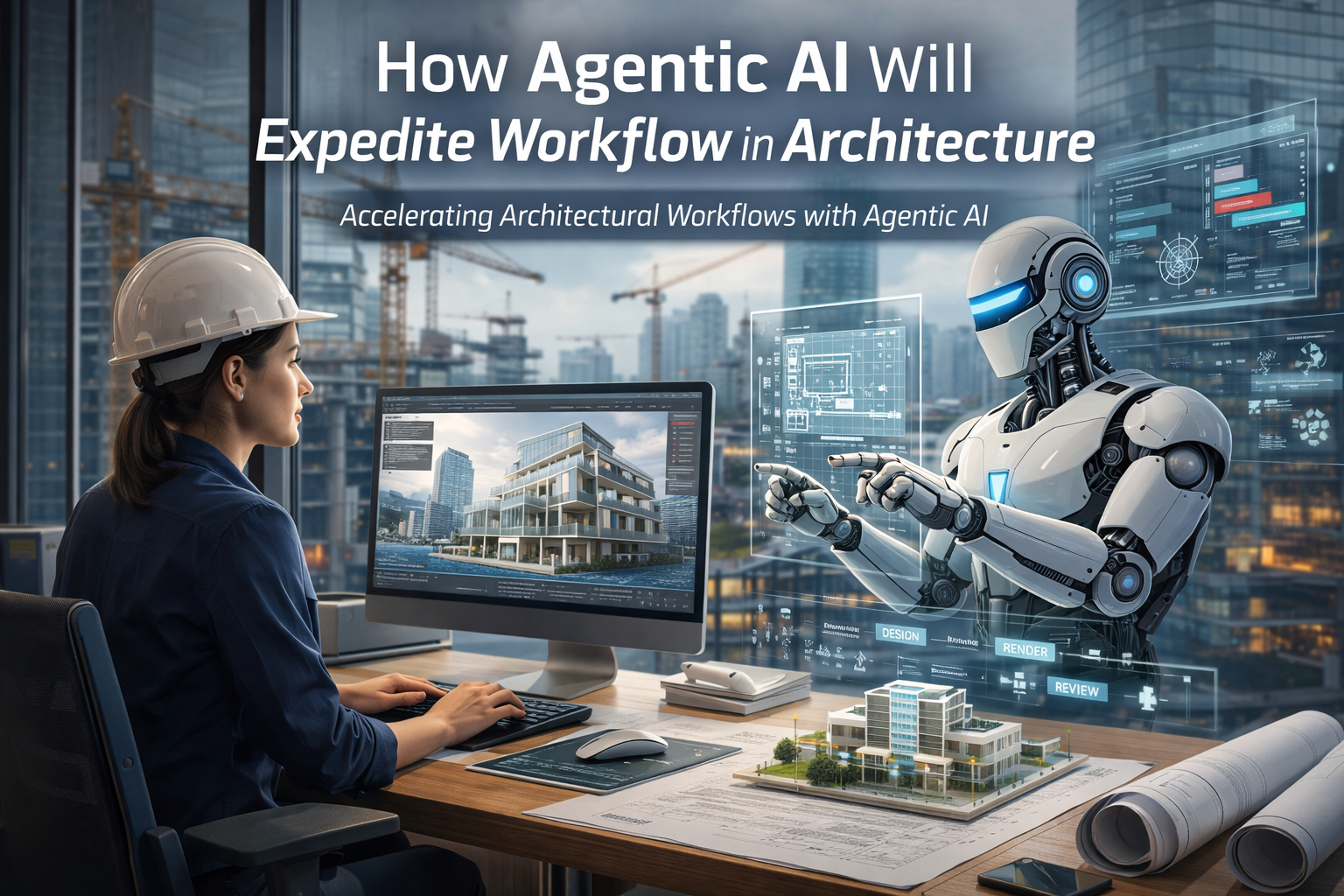
The hallmark of agentic AI is its autonomy. This capability enables these systems to analyze data, assess situations, and execute decisions in real-time, without the constant need for human intervention. For instance, in architectural design, agentic AI can autonomously generate design alternatives or optimize existing structures based on specified criteria, such as sustainability and cost-effectiveness. This level of independence significantly enhances productivity by streamlining workflows and reducing the time required to achieve design objectives.
Another distinguishing feature of agentic AI is its decision-making capabilities. These systems are equipped with advanced algorithms that facilitate complex analyses, modeling, and simulations, allowing for a thorough exploration of possibilities. The implications of implementing agentic AI are profound, particularly in industries such as architecture. This technology not only has the potential to optimize design processes but also to enhance collaboration between stakeholders by providing data-driven insights.
Ultimately, the differentiation between agentic AI and traditional AI systems lies in their operation modes, autonomy, and decision-making prowess. As agentic AI continues to evolve, its integration into various sectors—including architecture—promises to reshape workflows, foster innovation, and enhance overall efficiency, driving the next wave of digital transformation.
Enhancing Design Processes
Agentic AI has emerged as a revolutionary technology in the architectural sector, capable of reshaping design processes in profound ways. One of the primary advantages of employing AI in architecture is its ability to assist architects in generating innovative designs by leveraging vast amounts of data and computational power. Through advanced algorithms, agentic AI can analyze historical data, trends, and user preferences to create unique design proposals tailored to specific project requirements. This capability not only enhances creativity but also broadens the horizons of what is architecturally possible.
Moreover, AI can optimize layouts by simulating various design scenarios and recommending the most effective solutions. For instance, through predictive analytics, architects can visualize how different design elements interact with one another, ensuring that each space's functionality is maximized. This includes optimizing spatial dimensions, lighting, and airflow, leading to more sustainable and efficient building designs. Consequently, the integration of agentic AI can significantly shorten the design cycle, allowing for rapid iterations and immediate feedback, which is invaluable in the fast-paced architectural environment.
Another critical function of agentic AI is ensuring compliance with ever-evolving regulations and standards. The technology can be programmed to consider local codes, zoning laws, and environmental regulations while generating designs, thus reducing the chances of costly revisions and delays. By automating compliance checks, AI enables architects to focus on creativity and innovation without the constant worry of meeting legal requirements. Ultimately, the incorporation of agentic AI into design processes provides numerous benefits, significantly streamlining workflows, reducing time and resource expenditure, and enhancing the overall quality of architectural outputs.
Streamlining Project Management
In the realm of architecture, where deadlines are strict and project scopes are often complex, effective project management is vital for success. Agentic AI offers transformative benefits that can enhance the management processes within architectural firms. One of the fundamental ways agentic AI achieves this is through the improvement of communication between stakeholders. Traditional communication methods can lead to delays and misunderstandings; however, AI-powered tools can facilitate real-time updates and ensure that all involved parties are informed of changes and progress instantly.
Moreover, agentic AI is equipped with functionalities that automate scheduling tasks. Efficient scheduling is crucial in architecture, where many interdependent tasks must be coordinated. By automating this process, agents can analyze multiple variables, such as resource availability and project timelines, to create optimized schedules that minimize conflicts and maximize productivity. This allows project managers to focus on critical decision-making and creative aspects of the project rather than getting bogged down in administrative tasks.
Monitoring project progress is another significant function of agentic AI. By leveraging data analytics and machine learning, these systems can continuously track project milestones and deadlines. This ongoing oversight not only provides insights into project health but also identifies potential risks and deviations as they occur. Early detection of issues enables project managers to implement corrective actions before they escalate, ultimately leading to fewer errors and delays.
Through the integration of agentic AI into project management processes, architectural firms can experience a marked improvement in efficiency. By streamlining communication, automating scheduling, and closely monitoring project progression, architecture teams can work more cohesively and effectively, paving the way for successful project outcomes.
Future Implications and Challenges
The integration of agentic AI in architecture signals a transformative shift within the profession, bringing forth both substantial opportunities and significant challenges. One prominent implication is the ethical considerations surrounding the deployment of such technology. Architects will need to navigate the fine line between leveraging AI for efficiency and ensuring that human creativity and ethical standards remain at the forefront of design. For instance, questions regarding data privacy, algorithmic bias, and the social impact of AI-designed structures must be addressed meticulously to foster responsible use.
Another challenge arises in the form of reliance on technology. As architects increasingly integrate agentic AI into their workflows, there is a risk of diminishing the role of human oversight. Adapting to heavy reliance on AI could potentially lead to skill erosion among professionals if critical design decisions are left solely to machines. Continuous engagement with fundamentals of architecture is essential to prevent over-dependence on automated processes.
Furthermore, the incorporation of agentic AI necessitates comprehensive training and adaptation for existing professionals. Architectural education programs may require redesign to include AI literacy, ensuring graduates are equipped with the skills to collaborate effectively with advanced technologies. Training can bridge the knowledge gap and prevent resistance to change, fostering a culture of innovation within the field.
Despite these challenges, embracing agentic AI offers architects the unique opportunity to enhance their creative potential and streamline workflows. By automating routine tasks, architects can reclaim time for innovative design and conceptual exploration. The future of architecture, in light of agentic AI integration, presents a dual focus on overcoming challenges while harnessing the capabilities of technology to elevate architectural practice.
Begin a Design Inquiry.
Transforming ideas into breathtaking architectural realities.
contact:
Start an Inquiry:
+1 778 807 3747
© 2024. Sama Karim Design Studios. All Rights Reserved.