DESIGN SHAPES HOW WE EXPERIENCE THE WORLD.


Home > SakaVerse Studio > Spectra
AADRL Design Research Lab
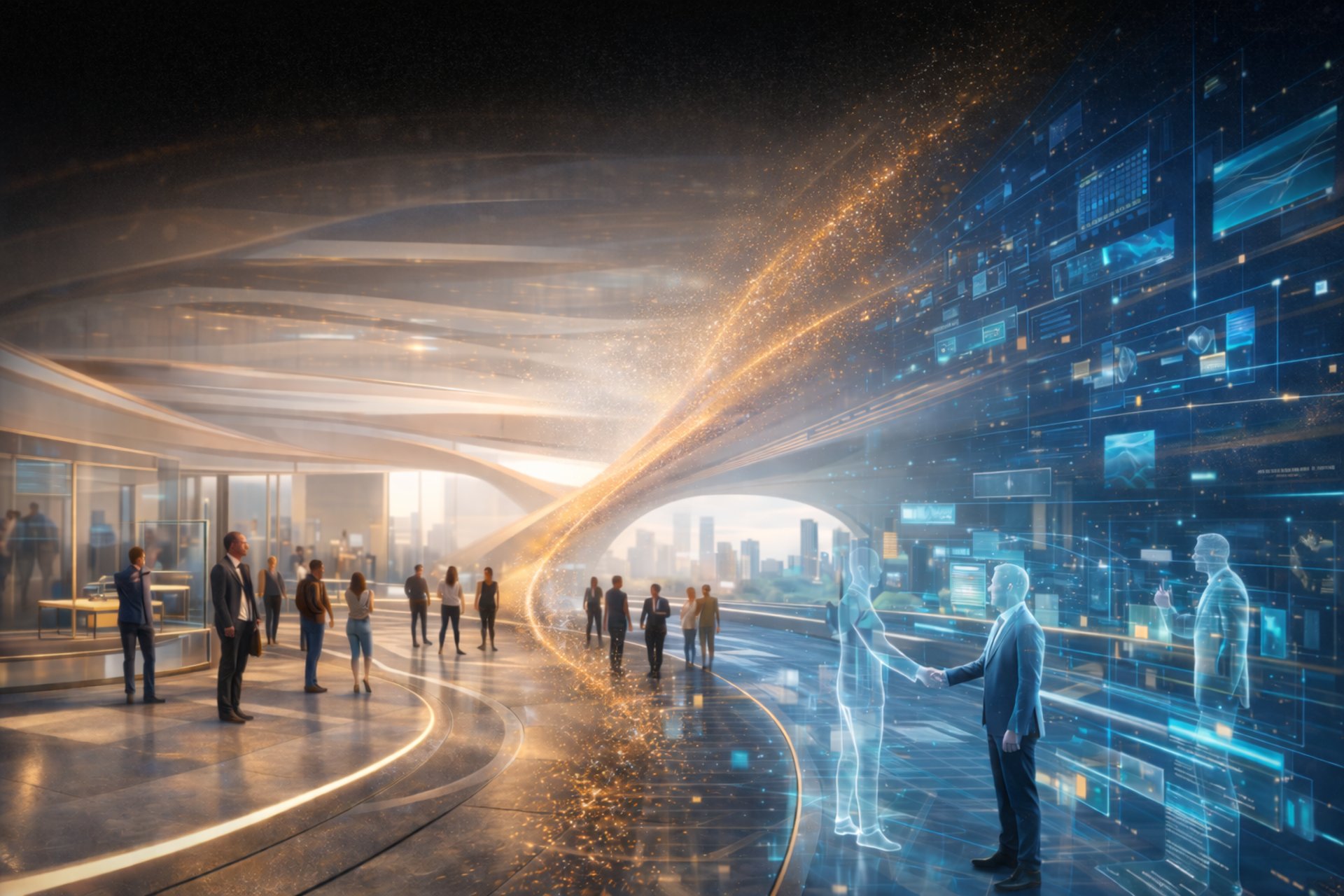
The project positions the workplace as a cyber-urban interface testing how architecture, media, and virtual platforms can be orchestrated into a single, legible system of hybrid realities.
The research forms part of a broader agenda on how future offices, campuses, and civic institutions might operate when physical proximity is no longer the default condition for collaboration, yet spatial experience remains central.
Cyber Urban Incubator | Adaptive Architecture Across a Spectrum of Realities
Studio
Patrik Schumacher and Pierandrea Angius
Project Team
Sama Karim
Daniela Maria Bedoya
Gaurav Janendra
Chhavi Mehta
Spectra
01 • Core Narrative
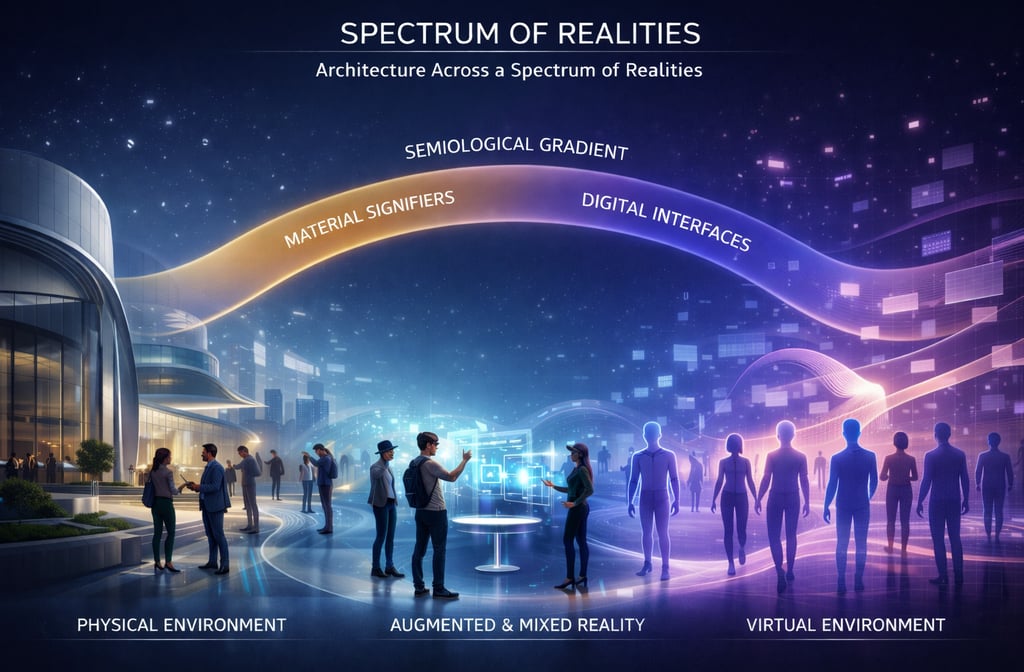
Spectrum of Realities | Architecture Across a Spectrum of Realities
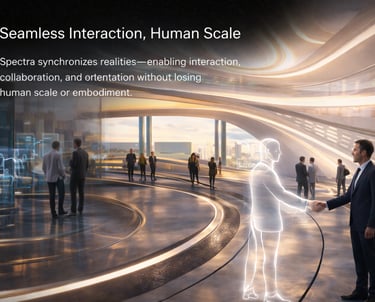
Spectra investigates architecture across a continuum of realities from the tangible physical world to fully synthetic digital environments. Developed within the AA DRL’s Cyber-Urban framework under Studio Patrick Schumacher, the project explores how semiology, communication, and human interaction reshape spatial logic in an era where physical presence and digital immersion increasingly overlap.
At the core of the project lies the idea of a semiological gradient:
a continuous spectrum where spatial interfaces, signs, and cues shift from material architectural markers to fully digital languages. Spectra positions architecture not as a static physical artifact, but as an adaptive communication system guiding behavior across hybrid and networked realities.
02 • Problem & Opportunity
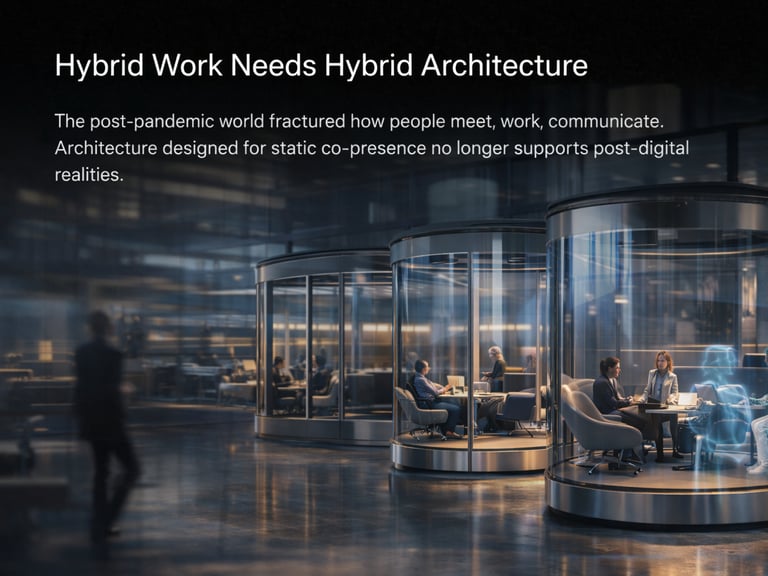
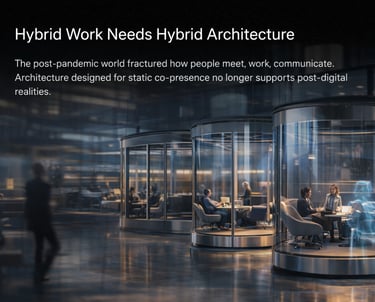
Hybrid Work Needs Hybrid Architecture | Communication After the Pandemic
The pandemic accelerated a global shift toward remote interaction, distributed workforce patterns, and digitally mediated communication. Traditional architecture designed around static meeting spaces and co-presence — suddenly proved inadequate for emerging post-digital social dynamics, where:
Physical interactions became fragmented
Movement patterns decoupled from spatial proximity
Digital platforms operated independently from real architectural space
Work and social life spilled across time zones and virtual environments
Users experienced communication without spatial grounding or embodied cues
This fragmentation created an urgent need for an architectural system capable of merging physical and virtual behaviors, enabling multi-reality communication without forcing users to abandon spatial meaning or embodied interaction.
Opportunity:
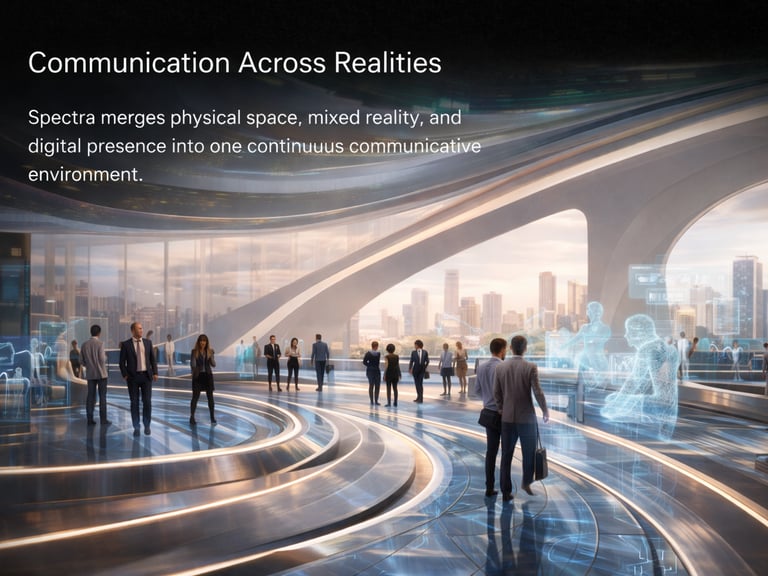
Spectra responds to this gap by proposing an architectural and technological ecosystem that unifies physical, mixed, and digital presences into a continuous communicative environment.
03 • Site & Cyber-Urban Context
Queens Waterfront | Manhattan as a Catalyst for Hybrid Urbanism
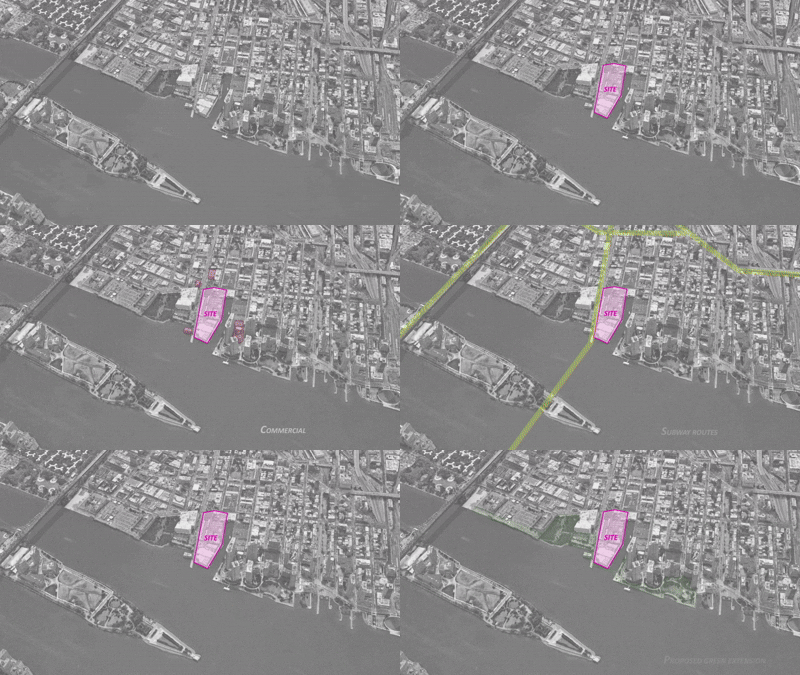
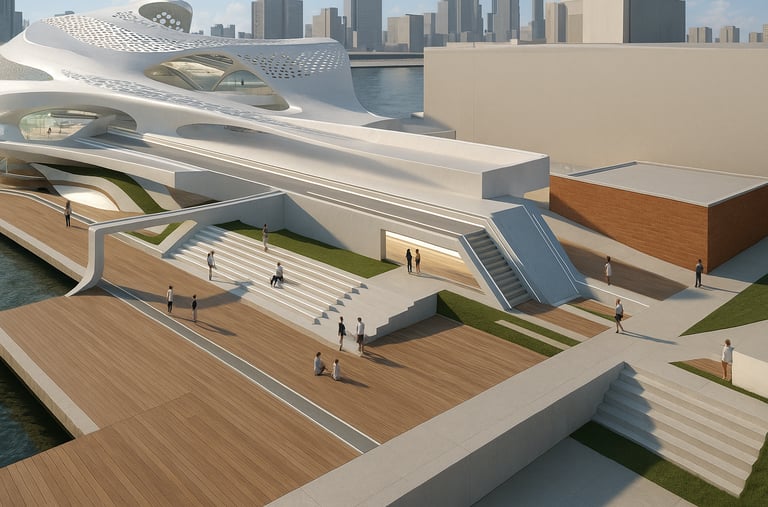
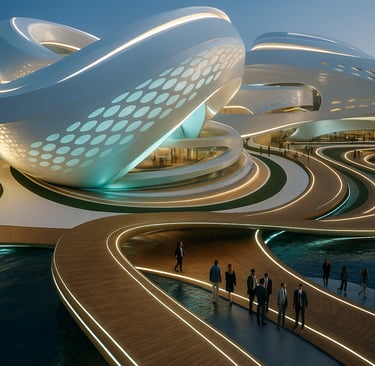
The project is sited on the Queens waterfront in New York, facing the Manhattan skyline across the East River. The existing fabric of infrastructure, piers, and under-used edges becomes a testing ground for a new type of cyber-urban anchor: a building that is simultaneously a local workplace, a global collaboration hub, and a virtual campus.
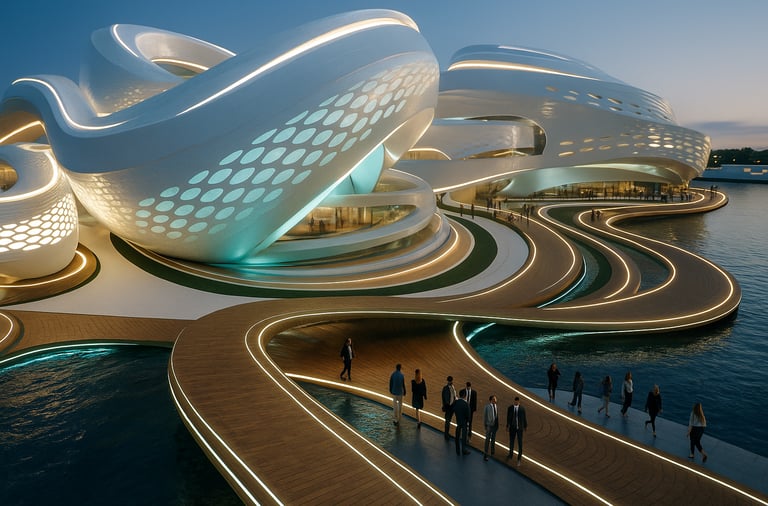
Elevated walkways weave along the waterfront, transforming circulation into a sequence of public terraces, informal gathering spots, and mixed-reality viewing points. Water is treated as an extended media surface – reflecting projections, events, and virtual content that blend with the physical skyline.
SPECTRA thus operates as a cyber-urban incubator: rooted in the specific geography of Queens, yet constantly linked to remote collaborators, conferences, and institutions distributed across global time zones.
04 • Core Concepts
Cyber-Urban Incubator | One Building, Three Interwined Worlds
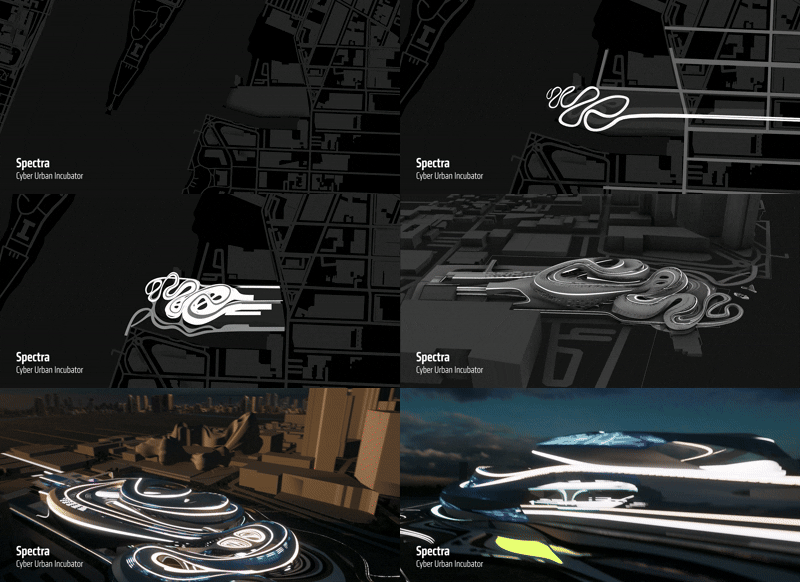
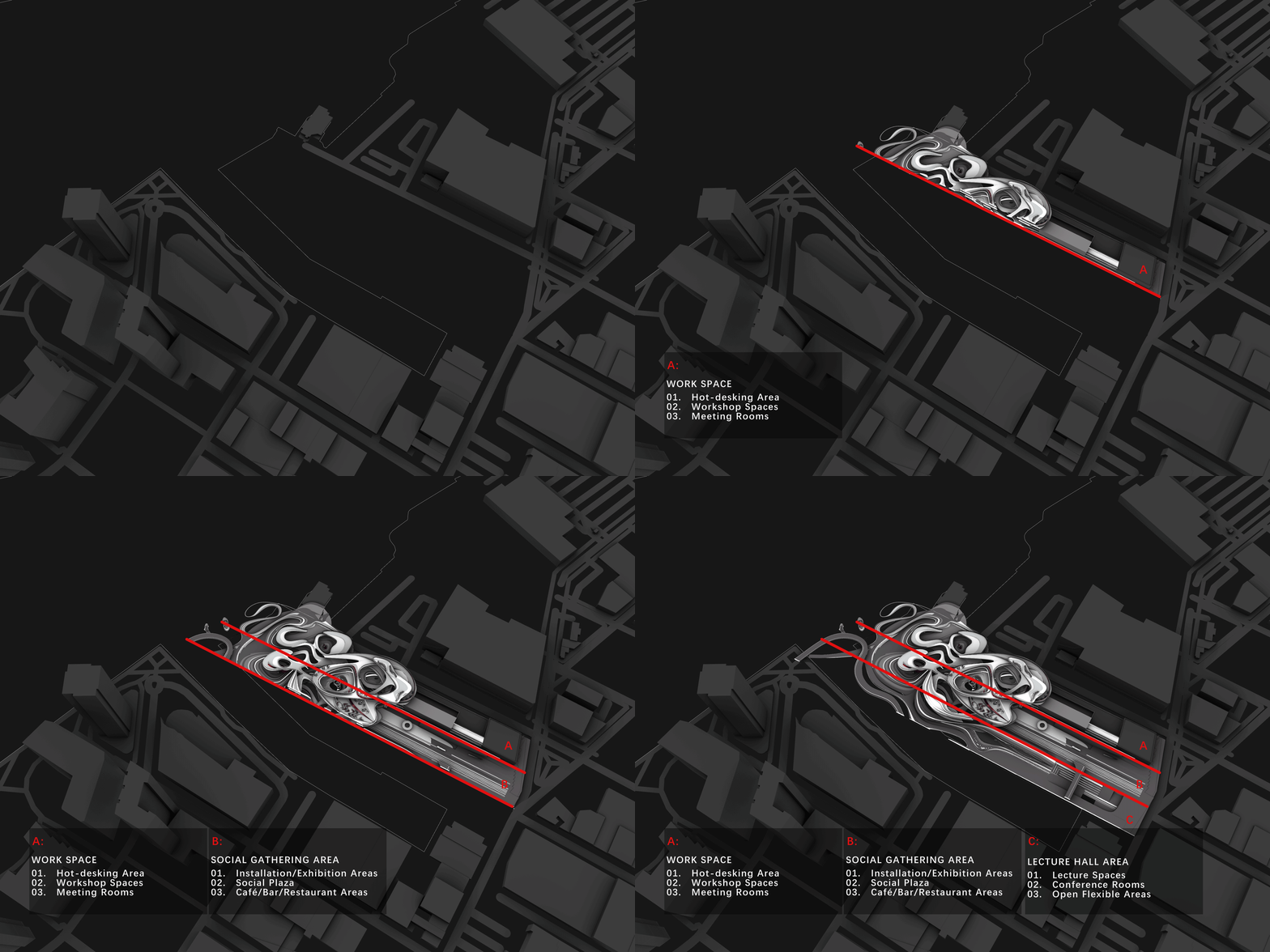
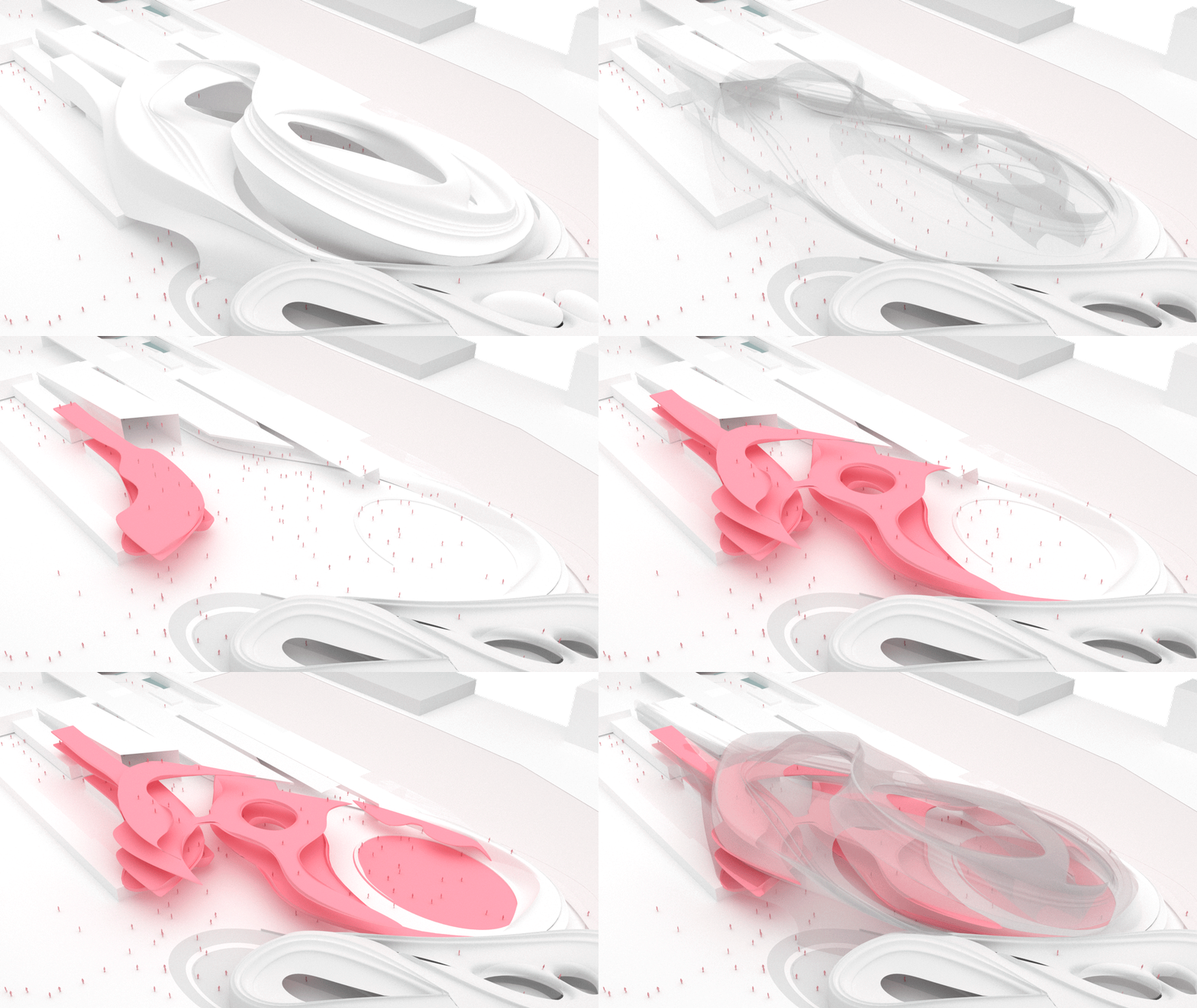
SPECTRA is organized as a layered campus of three primary bands: purely physical work areas, mixed-reality collaboration spaces, and purely virtual rooms. Each band has its own spatial logic, yet all three are connected through visual corridors, vertical atria, and shared media systems.
At the base, open hot-desking floors and reading rooms host conventional physical work. Above, mixed-reality meeting rooms, workshops, and lecture halls support co-present and remote users within the same space. At the uppermost level, fully virtual lecture pods and work capsules allow users to disconnect from the physical office entirely and inhabit a bespoke virtual world.
Rather than treating “virtual” as a separate platform, SPECTRA embeds it into the architectural section. The building is read as a vertical spectrum – from tangible materials and gravity-anchored spaces to immaterial rooms defined by projection, sound, and avatar presence.
05 • Semiology
Semiological Gradient | Encoding Levels of Reality Into Form, Light, and Color
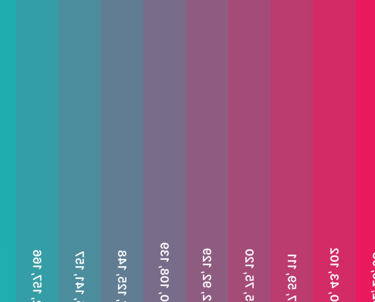
To keep the spectrum of realities legible, SPECTRA uses a semiological gradient: a set of spatial and visual cues that communicate whether a user is in a primarily physical, mixed, or virtual condition.
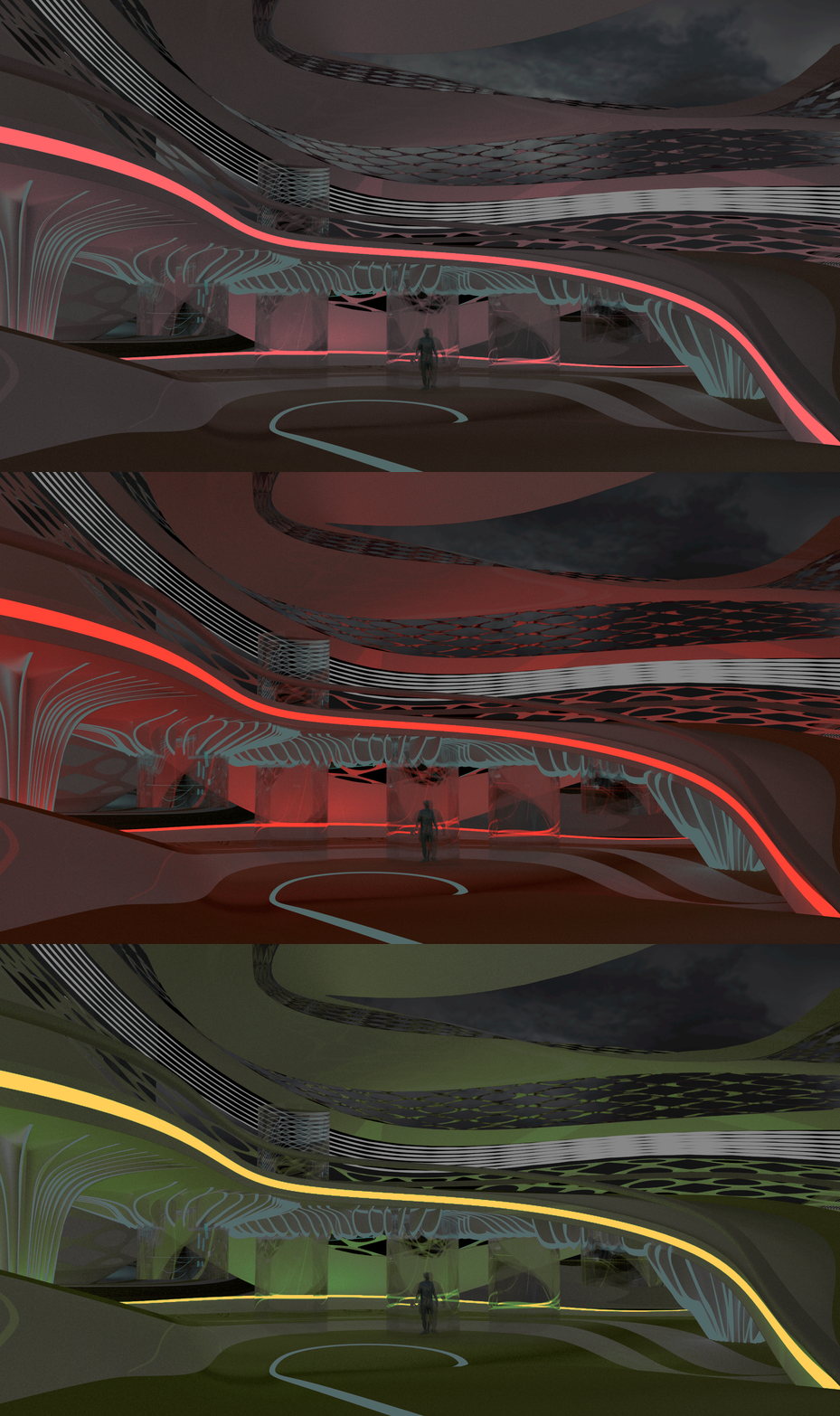
As one moves from the physical to the virtual, geometries shift from angular to curvilinear, from rigid to soft. Light transitions from bright to dim, while materials move from opaque to translucent and finally to immaterial projections. Colors slide from neutral tones into deeper blues and purples, signalling higher levels of immersion.
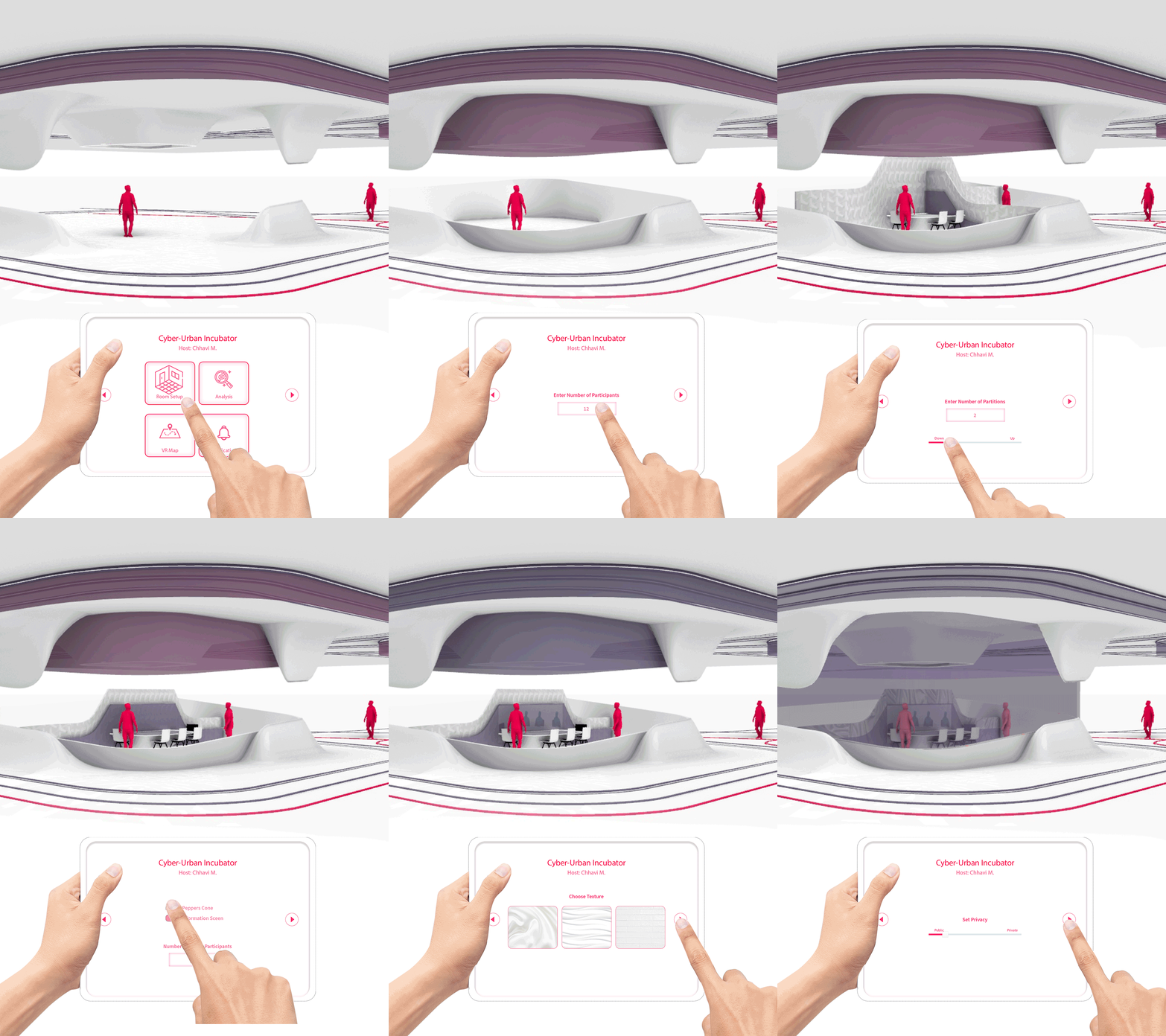
Furniture, partitions, and media surfaces participate in this language: walls inflate into VR hubs, kinetic screens open and close windows into the virtual office, and ceiling bands thicken or multiply as the social spaces become more digitally saturated. Users don’t need manuals – the space itself explains how virtual each environment is meant to be.
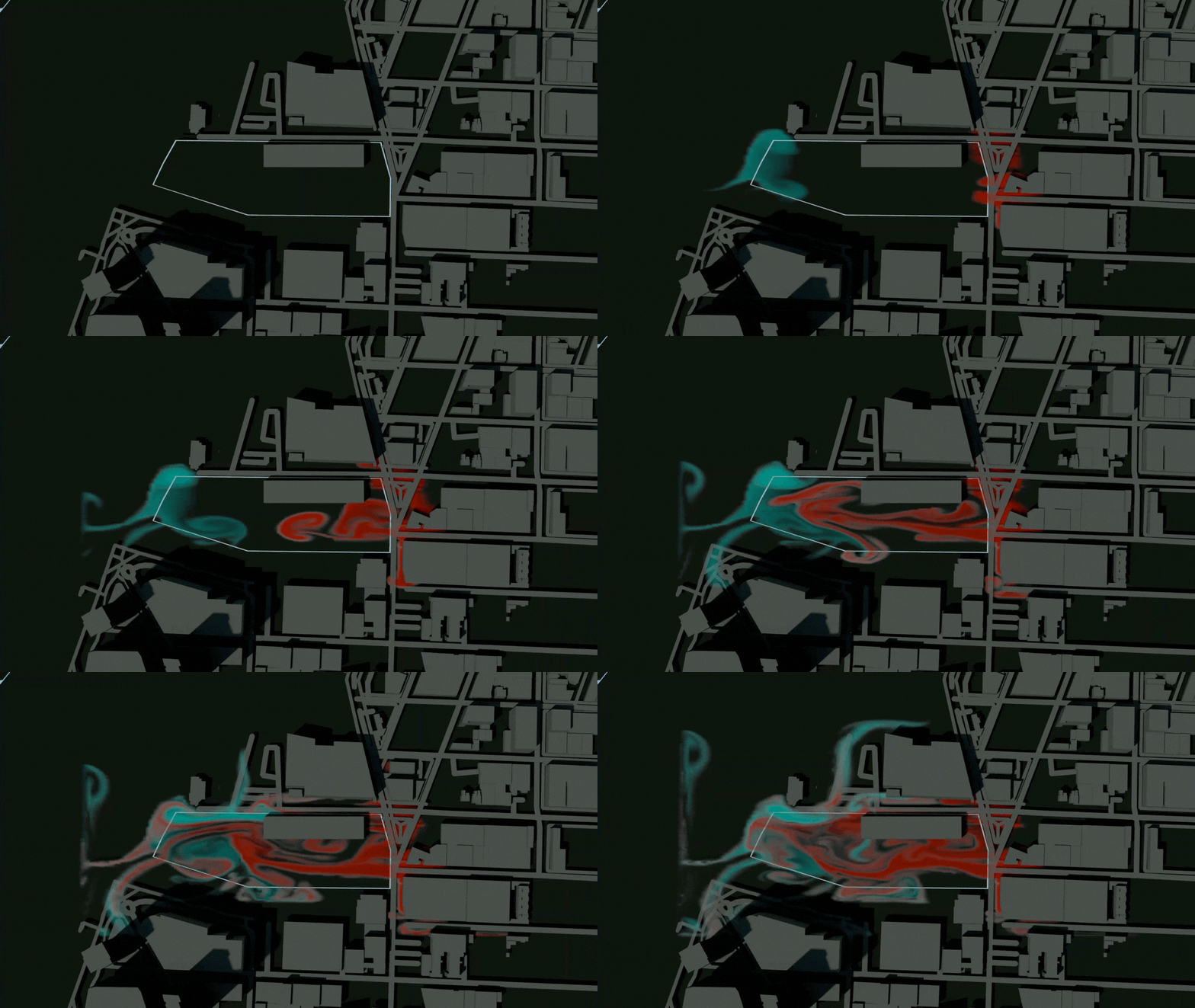

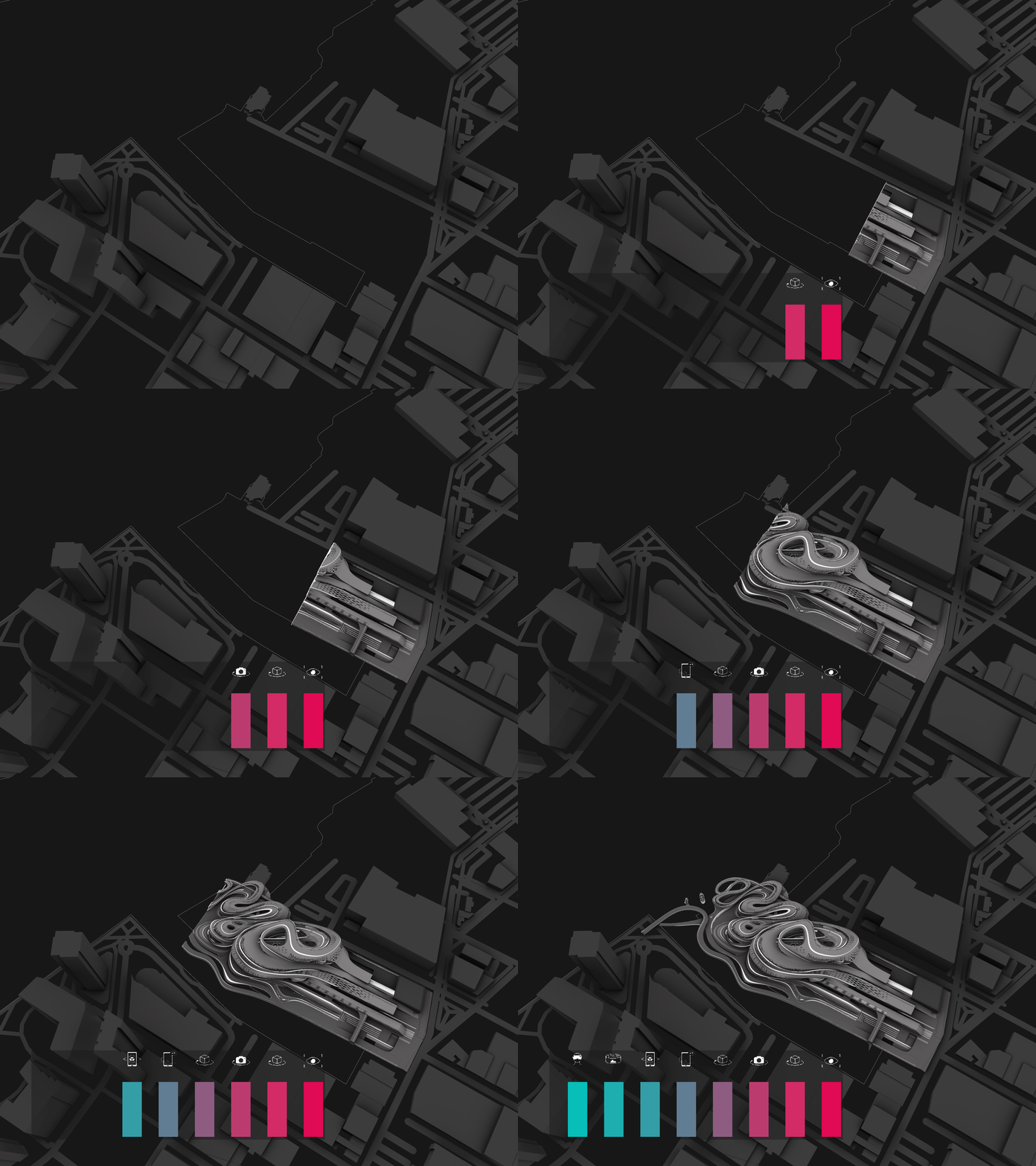
Instead of designing separate environments, Spectra develops a continuous linguistic transformation, where each layer informs the next. Architecture becomes a functional communication system a semiological engine capable of carrying meaning across shifts in medium and immersion.
06 • Spatial Gradient
From Intimate Workspaces to Civic Plaza | A Continues Choreography of Privacy and Exposure
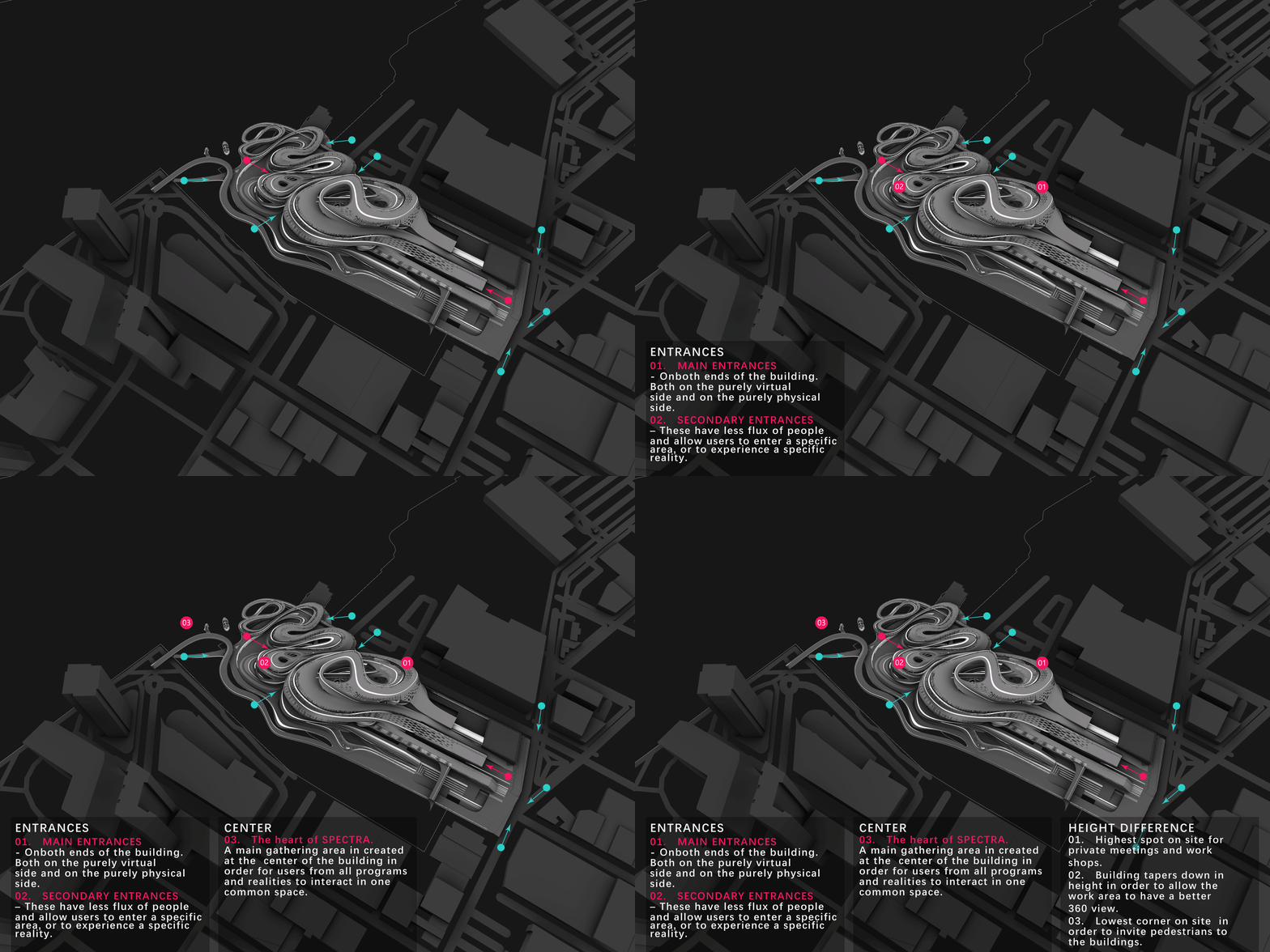
The plan and section are structured as gradients rather than hard thresholds. Smaller, more introspective spaces support focused work and private meetings; larger volumes open up for social gatherings, lectures, and performances.
Users move from quiet work terraces to semi-open meeting rooms, then to a central mixed-reality atrium and finally to the outdoor waterfront plaza. Along this path, the balance between physical and virtual engagement shifts, progressively introducing screens, projections, and VR hubs.
Each transition is legible in both geometry and atmosphere: ceiling heights, openness, and media density signal how public or immersive each zone is, helping users intuitively navigate the spectrum of work and social modes.
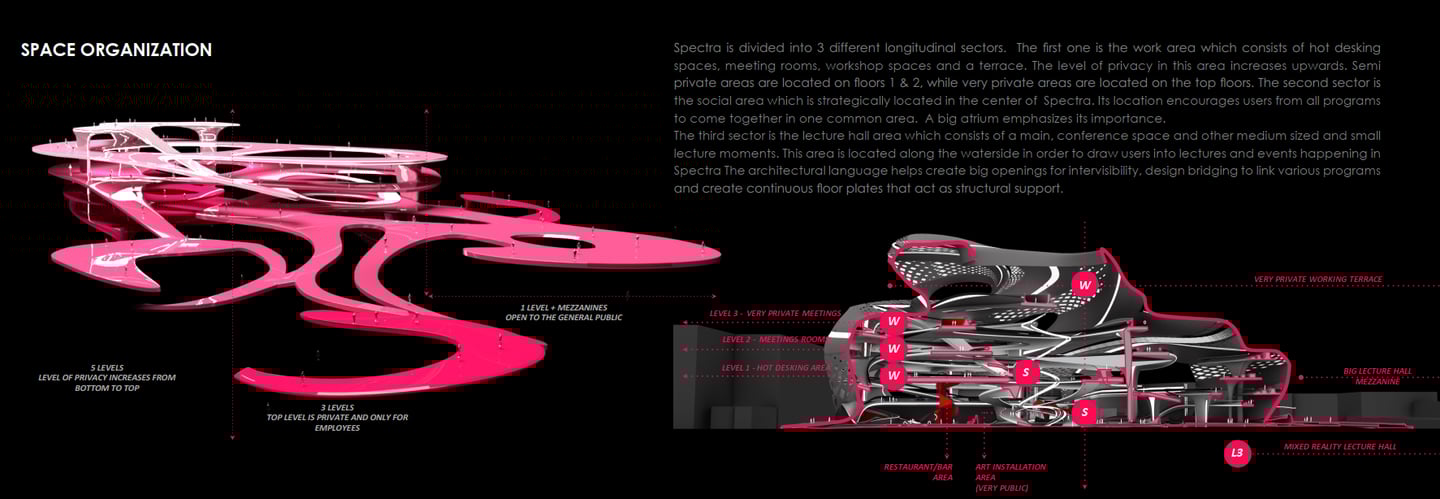
For example, more physically dominant spaces are angular, rigid, and defined, while virtually dominant spaces are curvilinear, softer, and infinitely variable. The architectural language of the space communicates to its users the code of conduct as well as the experiential possibilities of the space.
07 • First Realm
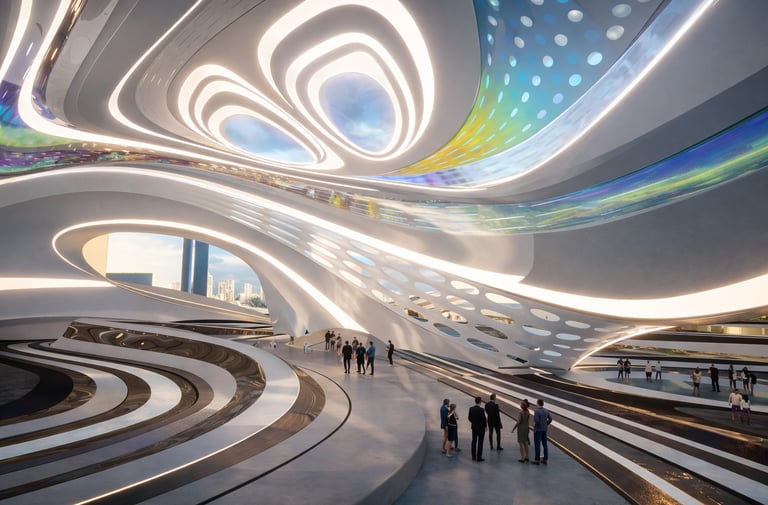
Physical Layer | Architecture in the Material Realm
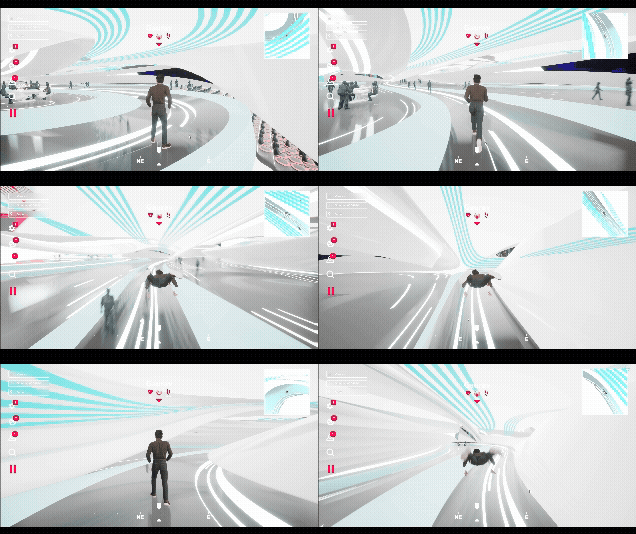
The physical realm remains essential for grounding human experience. In Spectra, this layer emphasizes:
Environmental comfort and atmospheric qualities
Embodied gathering and collective exchange
Material articulation and tectonic identity
Navigational cues rooted in geometry, lighting, and form
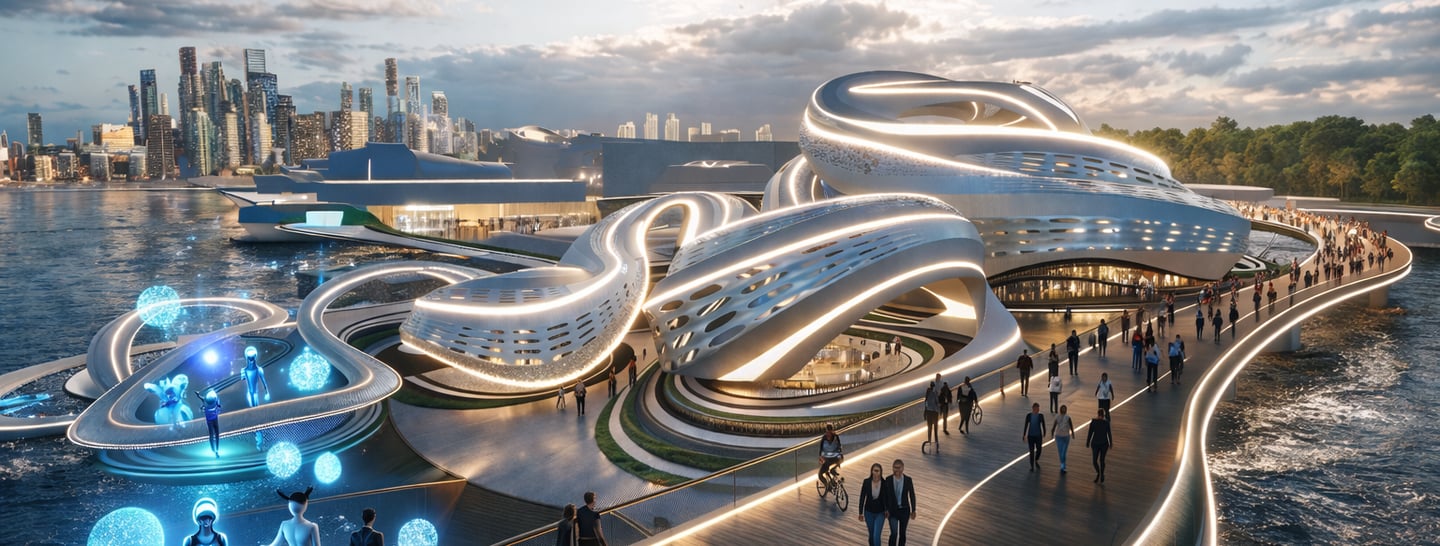
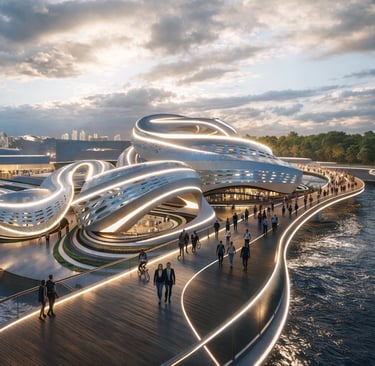
While society has adapted to digital tools, Spectra argues that physical architecture must evolve, not diminish. This realm anchors the spectrum providing stability within multi-layered communication systems and supporting spatial orientation, social proximity, and embodied presence.
08 • Second Realm
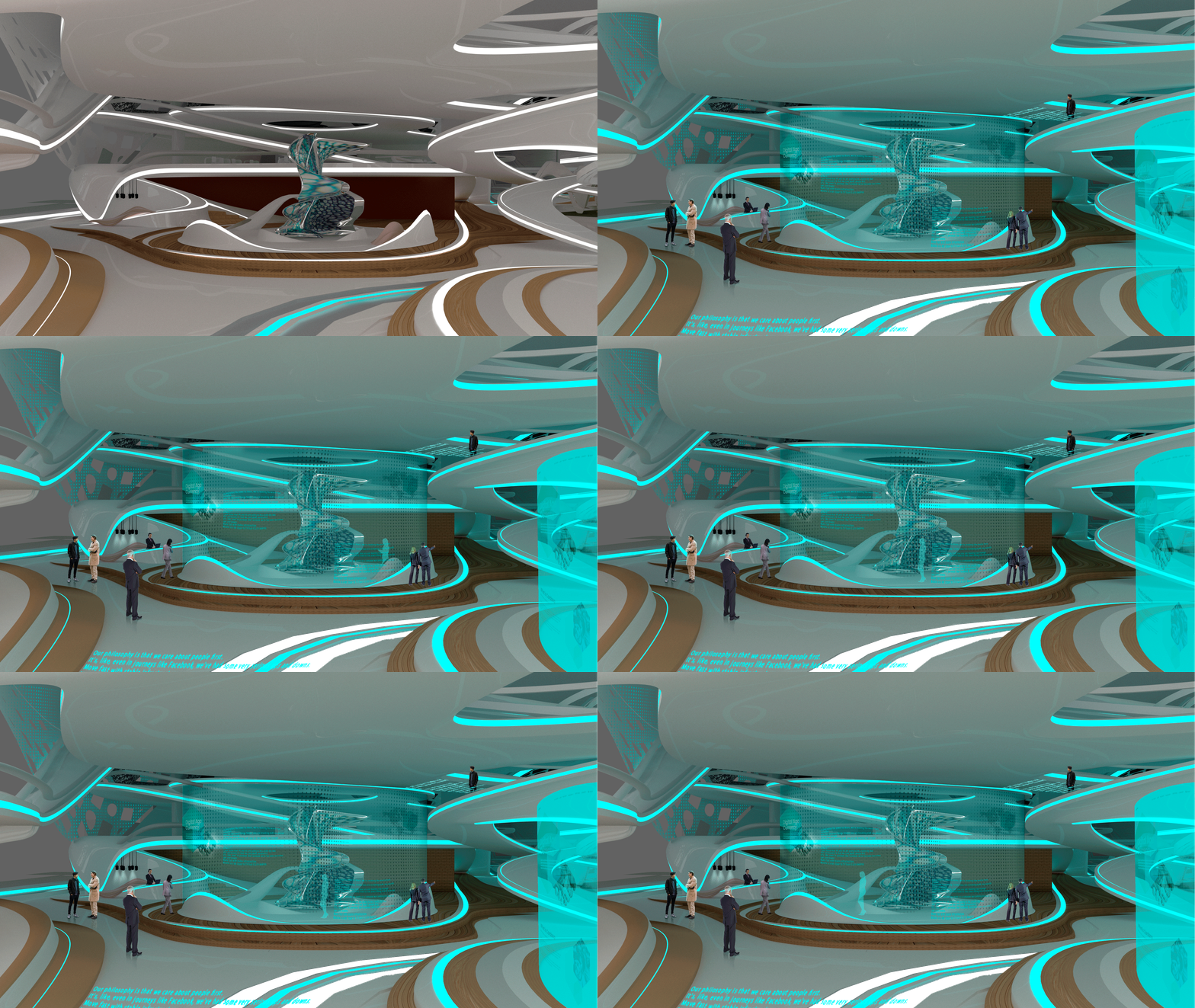
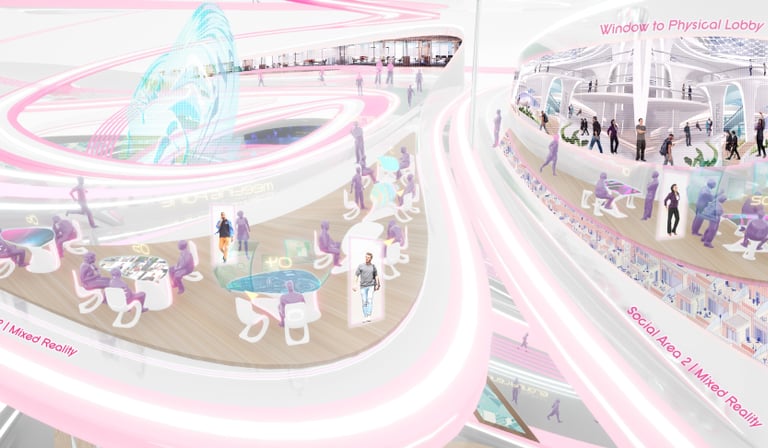
Hybrid Layer | Mixed-Reality Communication
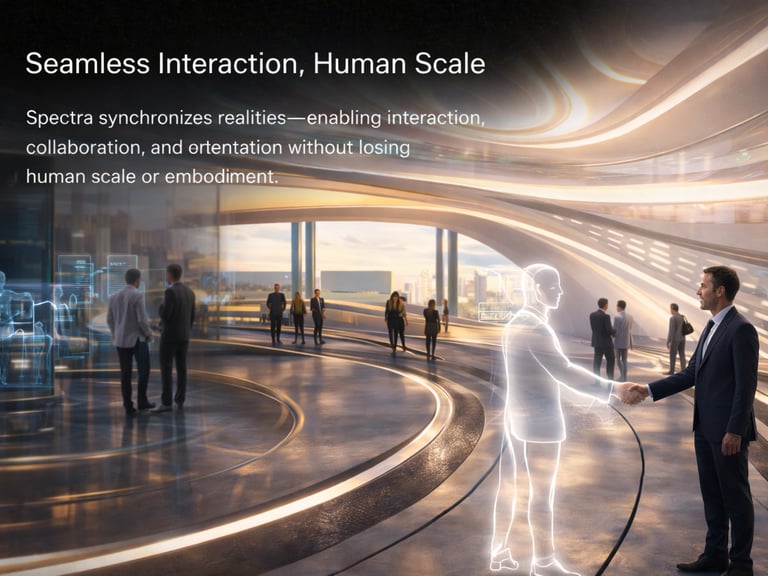
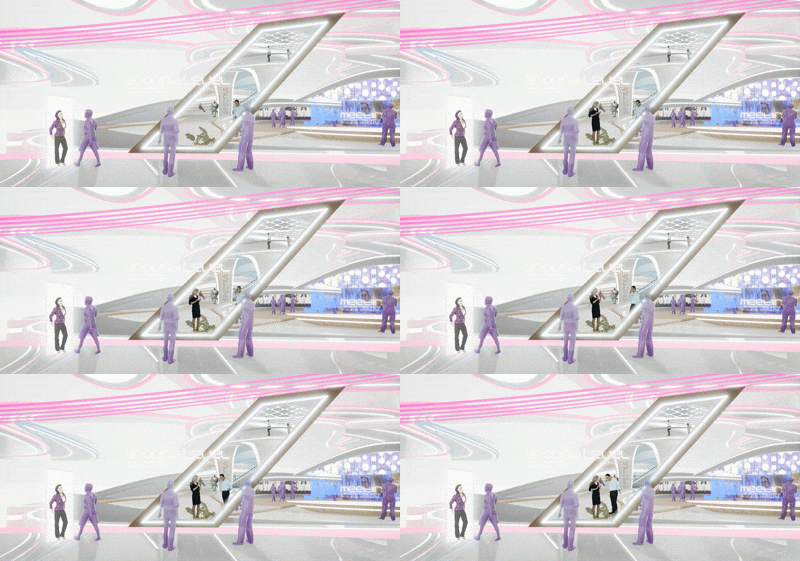
In hybrid environments, digital and physical presence coexist simultaneously.
Spectra designs this realm through:
Mixed-reality work zones
Layered ambient information
Spatial holograms and AR-based signage
Responsive surfaces that adapt to user behavior
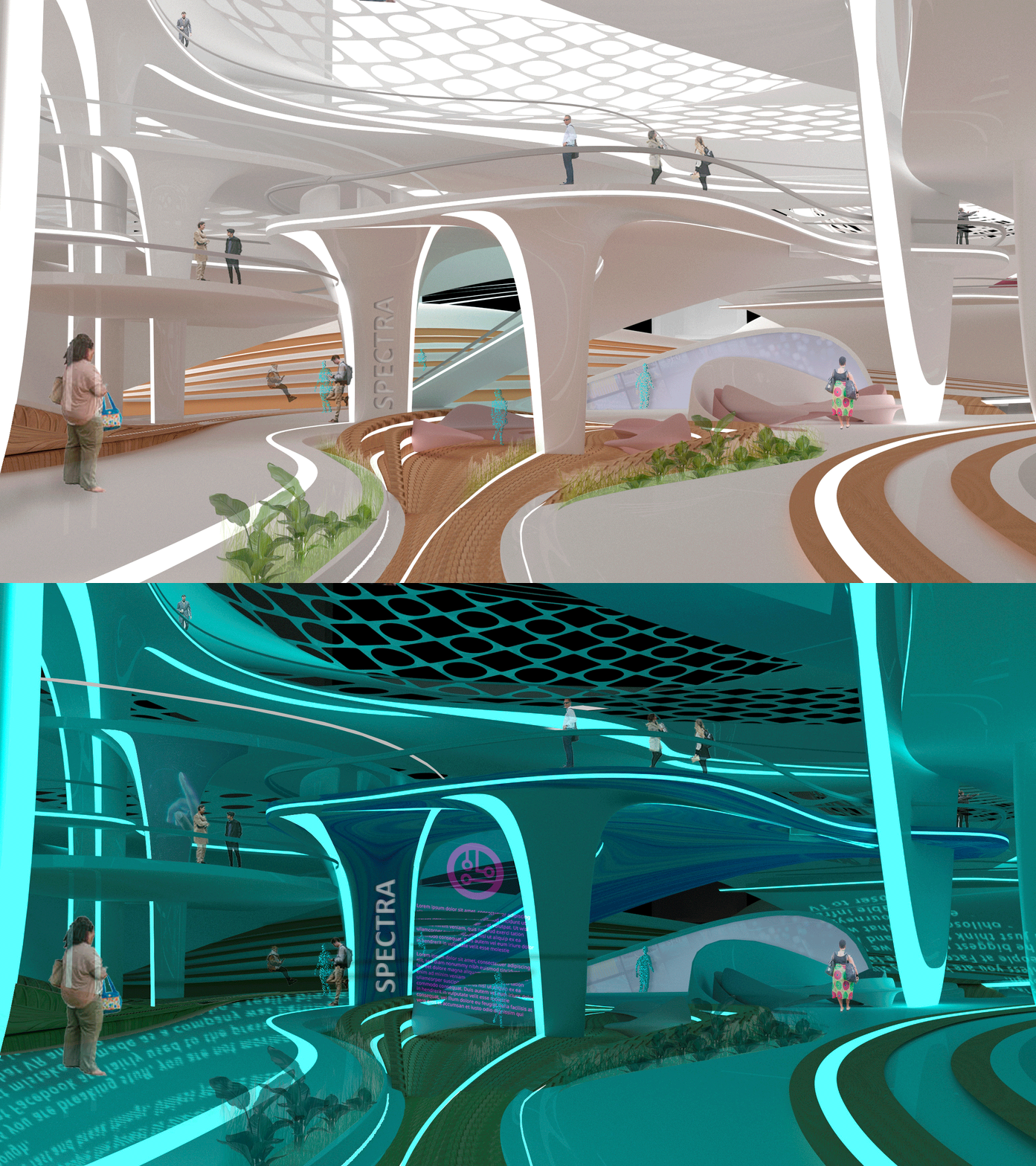
Here, the semiological system becomes dynamic connecting data-driven cues, material geometry, and real-time interaction. Architecture acts as mediator, orchestrating the flow between what is physically constructed and what is virtually projected.
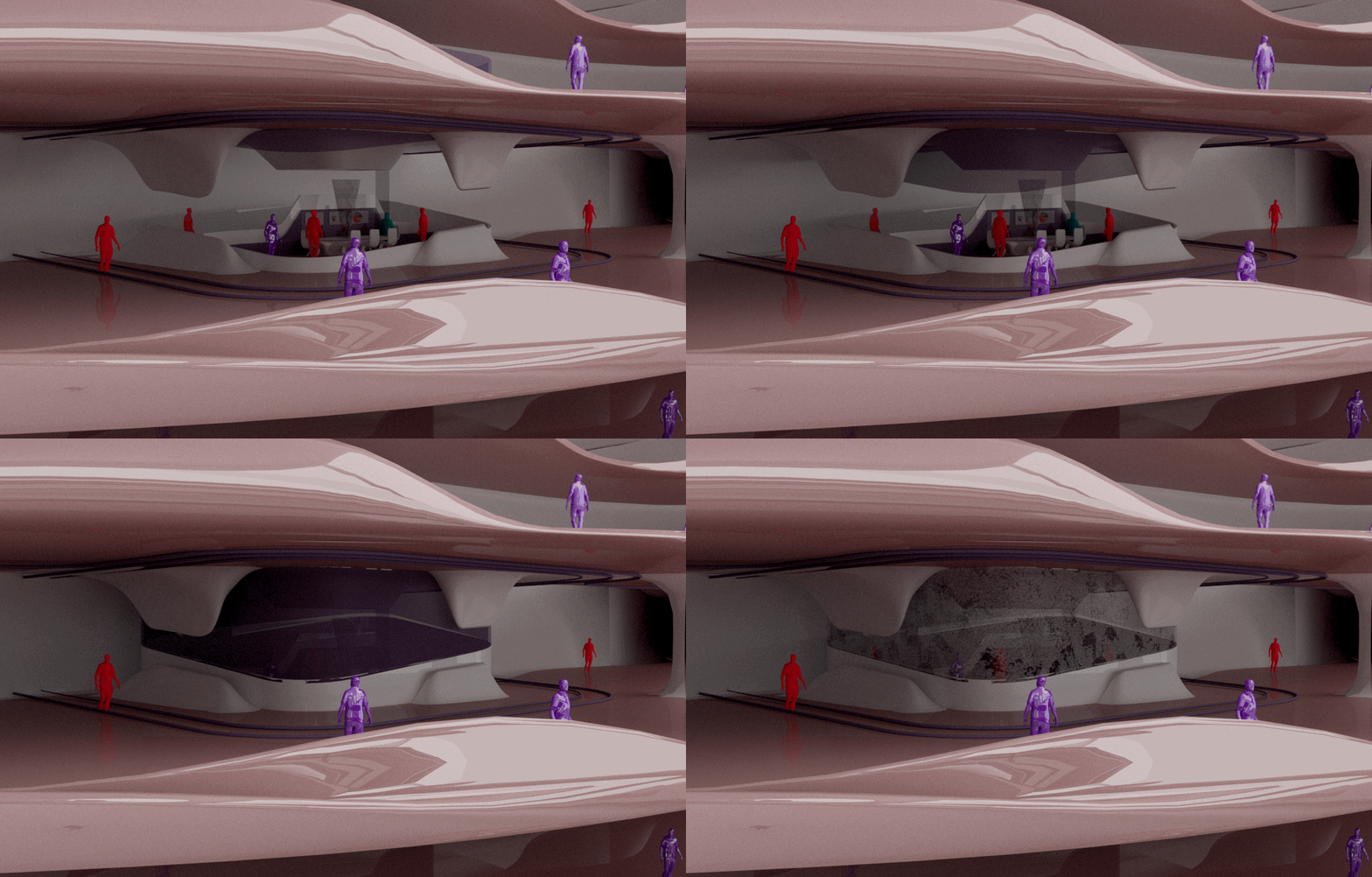
This layer is crucial for future cities operating across time zones, communication networks, and hybrid modes of presence.
09 • Third Realm
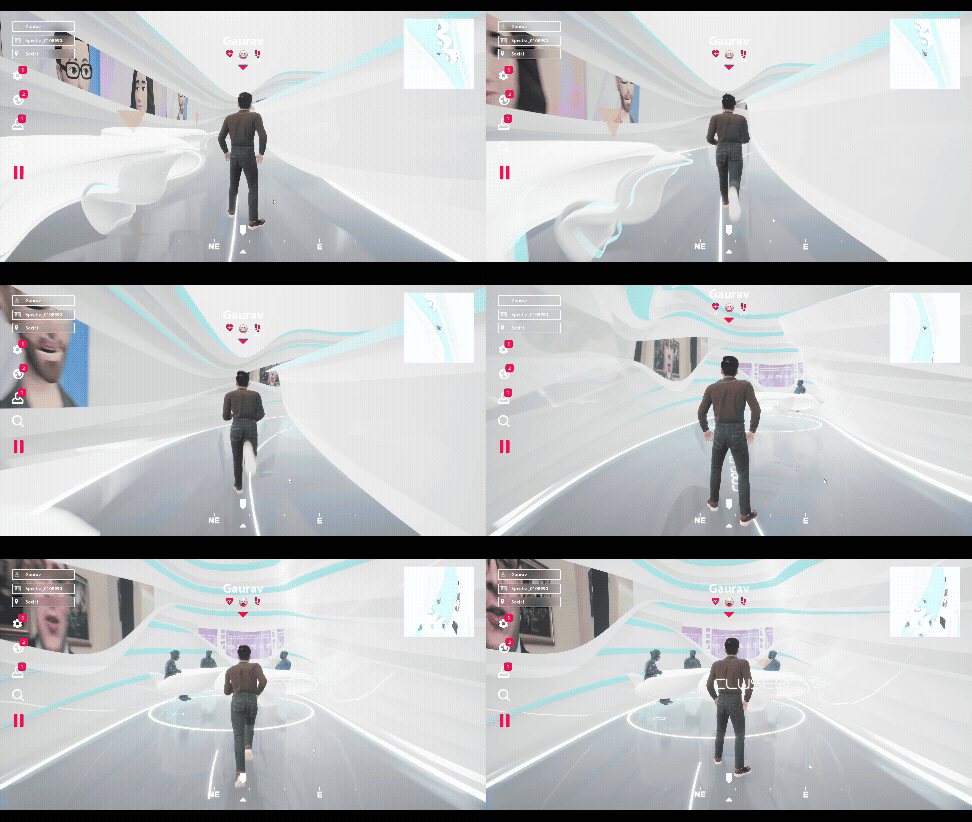
Fully Digital Layer | Synthetic Urbanity
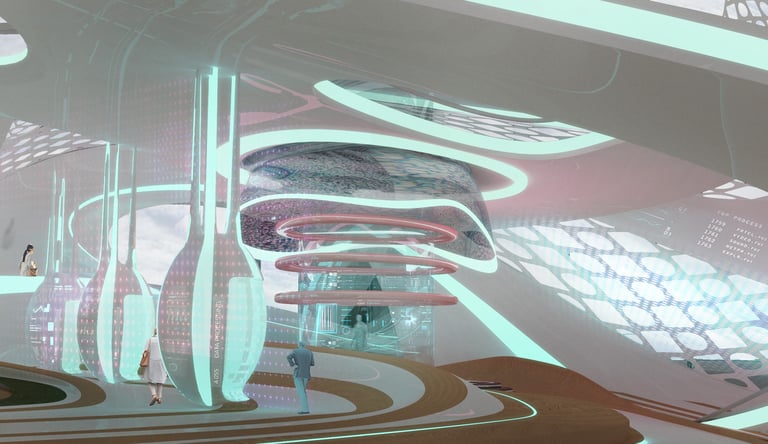
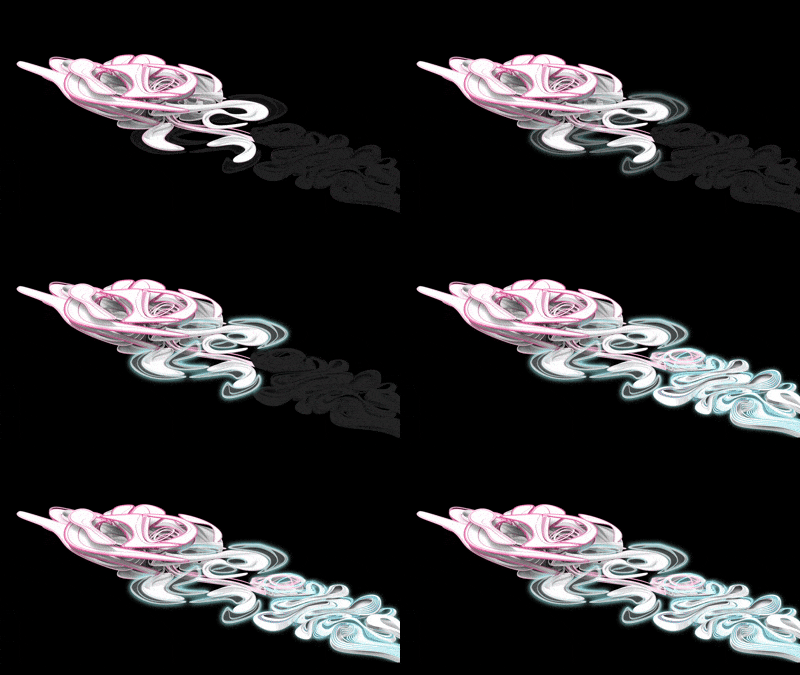
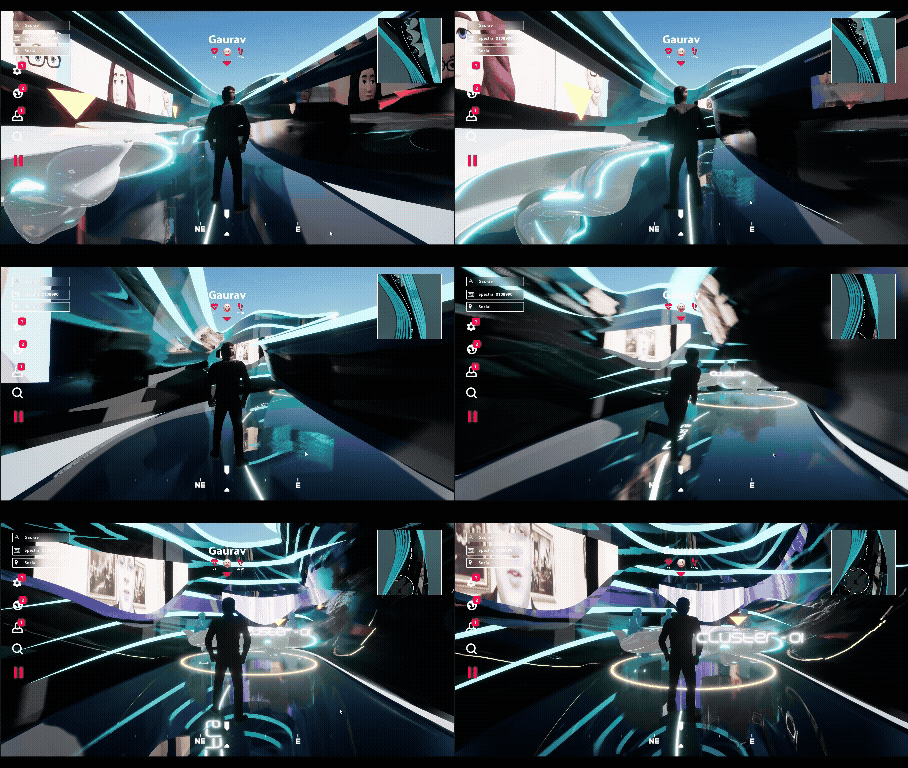
At the far end of the spectrum lies the fully digital realm a space unconstrained by tectonics, gravity, or physical limitations.
In this zone, Spectra imagines:
Spatial systems governed by rules of behavior rather than physics
Environments that morph according to user intent
Communication encoded through color, sound, form, and field effects
A semiological language unconstrained by tectonics
This digital realm illustrates architecture as pure communication, where meaning, interaction, and environment collapse into a unified spatial experience. It is both a destination and a conceptual mirror revealing the latent expressive potential of all realities.
10 • Conclusion
Closing Narrative | Architecture Beyond a Single Reality
Spectra concludes that architecture is no longer bound to the physical environment alone. Instead, it becomes a multidimensional communicator, shaping how humans encounter each other across blended realities.
From Manhattan’s physical terrains to fully immersive digital worlds, Spectra demonstrates how:
Spatial identity
Behavioral systems
Human presence
Architectural language
can evolve coherently across the entire spectrum of reality.
The project is both a speculative vision and a methodological framework redefining architecture as a continuum of experiences, where the physical, mixed, and digital worlds coexist as interconnected layers of urban life.