

The Value of Investing in Great Design: Insights from Sama Karim Design Studios| Part II
Understanding the Importance of Great Design
In today's rapidly evolving environment, the significance of great design cannot be overstated. For cities, developers, and businesses alike, investing in thoughtful design plays a crucial role in shaping urban landscapes and enhancing the overall quality of life. Great design is not merely about aesthetics; it serves functional purposes while fostering community engagement and strengthening cultural identity.
At its core, great design embodies a blend of utility and artistry. Cities often become drivers of economic growth when they boast well-designed public spaces that cater to the needs of their residents. For instance, Sama Karim Design Studios has been at the forefront of several projects that prioritize inclusivity and accessibility. By integrating elements like green spaces, pedestrian pathways, and community gathering spots, these designs create environments that encourage social interaction and promote a sense of belonging.
Moreover, exceptional design has the potential to reflect and enhance a community's cultural identity. Through careful consideration of local history, customs, and practices, designers can create spaces that resonate with the public. This synergy between architecture and culture fosters pride among residents, ultimately leading to a stronger attachment to their surroundings. Another notable project by Sama Karim Design Studios exemplifies this; by incorporating local materials and architectural styles, they successfully encapsulated the essence of the community, thereby enhancing its distinctiveness.
Furthermore, businesses that invest in great design can reap substantial rewards. Thoughtfully designed commercial spaces attract customers and improve the overall shopping experience. Retailers that prioritize aesthetics often see increased foot traffic and sustained patronage. When combined with effective branding, the influence of design on consumer behavior becomes evident.
Case Studies of Impactful Design Projects
Sama Karim Design Studios has undertaken a variety of transformative projects that highlight the profound impact of thoughtful design. One noteworthy initiative is the revitalization of the Old Town waterfront area, a once-neglected space that now serves as a vibrant cultural hub. The primary challenge faced was to breathe new life into a deteriorating region while respecting its historical significance. By incorporating community feedback and sustainable practices, the design solutions provided an open waterfront accessible to all, which not only enhances local economies but also fosters social interaction.
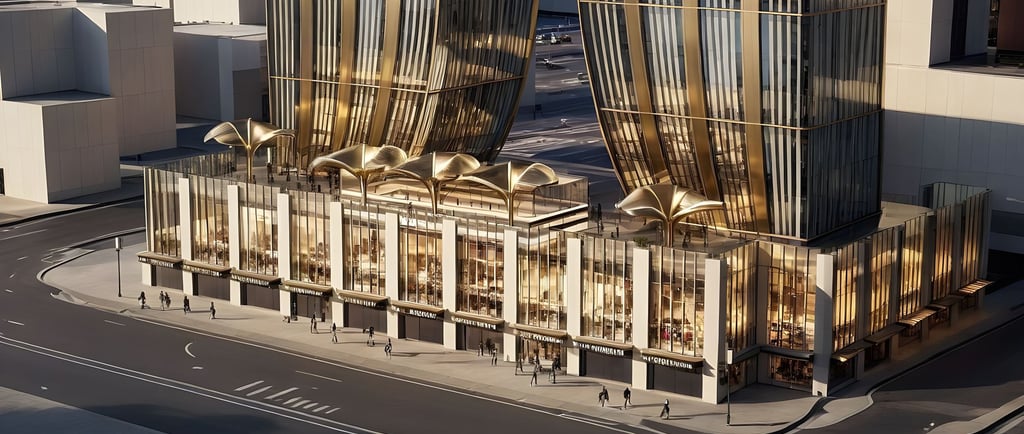
Another exemplary project is the innovative mixed-use development undertaken in the downtown district. The challenge here involved balancing residential needs with commercial aspirations, all while maintaining the character of the existing neighborhood. The design adopted features contemporary architecture blended with green spaces and pedestrian areas, creating an inviting atmosphere. The outcome was a successful integration of living and working spaces, enhancing urban life and encouraging community engagement. This initiative showcases how great design can lead to functional spaces that accommodate modern-day requirements while accentuating the area's charm.
Lastly, the creation of unique architectural landmarks, such as the community library, stands as a testament to the studio’s commitment to impactful design. The challenge was to create an inspiring space for learning and collaboration. Through innovative use of materials and an open layout, the library has become a focal point in the community. It serves not only as a center for knowledge but also as a venue for various cultural events. Each of these case studies illustrates the significant role that effective design plays in revitalizing spaces, enhancing community connection, and fostering economic growth.
Collaboration and Community Engagement in Design
In the realm of design, collaboration plays a pivotal role in shaping outcomes that resonate with the communities we serve. Sama Karim Design Studios exemplifies this approach through its commitment to partnering with various stakeholders, including governmental bodies, cultural institutions, and local organizations. This collaborative ethos ensures that design processes not only meet technical criteria but also reflect the cultural and social dynamics of their intended environments.
Engaging with the community is integral in understanding the unique needs and aspirations of its members. Sama Karim Design Studios employs several strategies to foster these essential relationships. One key strategy is initiating dialogues and workshops with community members, where their voices can be heard and integrated into the design framework. This participatory method enhances buy-in from stakeholders and fosters a sense of ownership among community residents, leading to designs that authentically represent their context.
Moreover, collaboration extends beyond just the initial design phase; it involves sustained engagement throughout the implementation process. As designs evolve, feedback from community engagement sessions is invaluable. This iterative process not only refines design concepts but also builds trust and rapport among all parties involved. By ensuring that stakeholder insights are considered, Sama Karim Design Studios crafts solutions that celebrate the identity, heritage, and aspirations of the communities they aim to serve.
Ultimately, the value of investing in great design is amplified through collaboration and community engagement. Such partnerships offer a framework for creating relevant, adaptive, and sustainable designs. The studio's approach underscores the importance of viewing design as a shared responsibility, fostering an environment where creativity and community development go hand in hand.
The Aesthetic and Functional Benefits of Designer Spaces
Investing in high-quality design yields significant aesthetic and functional advantages for both residential and commercial spaces. One of the primary benefits of engaging with skilled designers is their ability to enhance user experiences through thoughtful aesthetics. A well-designed environment promotes not only visual delight but also emotional connections. Spaces that resonate on a personal level can evoke memories and foster a sense of belonging, contributing positively to the overall well-being of the users.
Another critical aspect of designer spaces is the intelligent selection of materials. Carefully chosen materials—considering both texture and durability—not only elevate the visual appeal but also ensure that the space functions optimally over time. For instance, natural materials like wood or stone can create inviting atmospheres while being robust enough to withstand daily wear and tear. This dual functionality exemplifies the integration of beauty and practicality, a hallmark of effective design.
The concept of spatial intelligence also plays a vital role in the functionality of a space. Designers look at how a space is utilized, optimizing layouts to facilitate flow and usability. Good design considers human behavior, allowing for seamless interactions within an environment. This attentiveness to how individuals navigate and engage with their surroundings is essential in creating spaces that serve their intended purpose while remaining aesthetically pleasing.
Moreover, cultural narratives embedded in design elements can transform spaces into reflections of their surroundings. When designers incorporate local stories or historical references, they enhance a space's character, making it resonate with its community. In this way, interiors become more than just physical locales—they melt into the cultural fabric, thereby enriching the user experience.
In conclusion, the investment in great design leads to spaces that are not only visually appealing but also functional and deeply connected to the users and their environment. By thoughtfully considering aesthetics, material choices, spatial arrangement, and cultural stories, well-designed environments significantly enhance the quality of life for those who inhabit them.
Begin a Design Inquiry.
Transforming ideas into breathtaking architectural realities.
contact:
Start an Inquiry:
+1 778 807 3747
© 2024. Sama Karim Design Studios. All Rights Reserved.